Walking every day supports heart health, balance, mobility, mood and weight, and it needs little more than time and shoes that fit. Dr. Hylton Menz, Scientific Advisor to IAMBIC®, made that case in an August 2025 interview with Authority Magazine. He also named the factor that decides whether people keep walking: Poorly fitting shoes can lead to discomfort, foot pain and injury, which may discourage consistency. This article covers what daily walking does for your health, why fit matters for keeping the habit, and how IAMBIC builds the MODEL T for the miles you walk in a working week.
About Dr. Hylton Menz
Dr. Hylton B. Menz is a podiatry researcher and professor at La Trobe University in Melbourne, Australia, with more than 390 journal articles published. His research covers foot problems, footwear, balance and falls, and he has been IAMBIC’s Scientific Advisor since 2020.
He spoke with Stanley Bronstein for Authority Magazine’s series on making walking a daily habit, published August 17, 2025. Read the full interview at Authority Magazine
“Our research has found that around three-quarters of people wear ill-fitting shoes, and that this is associated with common foot problems. By addressing the problem of incorrect fit, we can improve the lives of thousands of people.”
Dr. Hylton Menz, Authority Magazine
Why does shoe fit decide whether you keep walking?
A walking habit only works if you keep it, and shoes that hurt make that harder. Dr. Menz calls footwear the factor that is sometimes overlooked.
“Walking in poorly fitting shoes can lead to discomfort, foot pain, and injury, which may discourage consistency and limit physical activity over time.”
Dr. Hylton Menz, Authority Magazine
Shoes that do not fit are common. A 2018 review he co-authored found that between 63 and 72 percent of the people studied wore shoes that did not fit the width or length of their feet. “Research shows that shoes that don’t fit properly can contribute to musculoskeletal issues that make sustainable exercise harder,” he said.
“Wearing well-fitting, supportive footwear that suits your unique foot structure can make walking more comfortable, safer, and more sustainable as part of a long-term lifestyle change.”
Dr. Hylton Menz, Authority Magazine

Five ways better fit can improve your life
Each of these comes from walking regularly, and a shoe that fits keeps you walking. Walking also asks for very little: It “doesn’t require much in the way of equipment or resources and can be done whenever it is suitable to an individual’s lifestyle,” Dr. Menz said.
“Regular walking has considerable benefits in relation to cardiovascular health, balance and mobility, prevention and management of a range of chronic diseases, mental health, and weight management.”
Dr. Hylton Menz, Authority Magazine
1. Stronger weight management
“30 minutes of walking burns about 150 calories, so regular walking is a good place to start if you want to lose or maintain weight,” Dr. Menz said. Shoes that stay comfortable make the daily 30 minutes easier to repeat.
2. Improved cardiovascular health
Walking “has been shown to improve circulation, lower cholesterol and reduce blood pressure, and in doing so, may reduce the risk of heart attack, stroke, hypertension and diabetes.” Longer, regular walks need shoes that still feel right at the end of them.
3. Musculoskeletal health from the ground up
Walking “improves muscle strength, maintains range of motion, increases bone density and reduces pain, so is particularly useful for people with arthritic conditions and osteoporosis.” A shoe built to your foot starts that work from the ground up.
4. Better mental health and focus
Walking “has been shown to reduce stress, anxiety, and depression, and may also have beneficial cognitive effects on memory, focus, and thinking ability.” A walk between calls is the easiest place to fit it into a working day.
5. Long-term mobility and longevity
“Walking reduces the risk of diabetes, hypertension, obesity and sleep apnea,” Dr. Menz said, and “people who walk at least one hour per day have a significantly longer life expectancy compared to those who walk less.”
Why is walking speed called the sixth vital sign?
Walking speed tracks how well many of the body’s systems work together, and it predicts health outcomes. Dr. Menz called it “the sixth vital sign (after heart rate, blood pressure, respiration rate, temperature, and oxygen saturation), as it is associated with mobility, falls, long term care admission and mortality.”
The term comes from a 2009 white paper in the Journal of Geriatric Physical Therapy, which described walking speed as easy to measure, easy to interpret and a potentially modifiable risk factor.
“The best way to maintain walking speed is to regularly walk,” said Dr. Menz.
“In order to walk though, you need to be comfortable, so a combination of expertly fitted shoes and 30 minutes of walking during the day facilitated by every workplace would have global implications on public health.”
Dr. Hylton Menz, Authority Magazine
How do you build a walking habit that lasts?
Start small, make it easy to repeat and add time gradually. These steps fit a full working day:
- Begin with 10 minutes once or twice a day, after lunch or between calls.
- Take phone calls and short meetings on foot.
- Add music, an audiobook or a podcast if the walk feels monotonous, which Dr. Menz suggests.
- Build toward 30 minutes a day, then add distance and duration gradually.
- Wear shoes that fit your feet, so the habit does not end with a blister or a sore heel.
Dr. Menz shared the case of a patient with rheumatoid arthritis in her knees and feet who started a regular walking program on her healthcare team’s advice and gradually increased distance and duration. Her pain went down, so did her need for pain-relieving medication, and she felt more independent.
Walking pairs best with a healthy diet. “If you want to lose weight and maintain your reduced body weight, you need to do both regular exercise and have a healthy diet,” he said.

How the IAMBIC Fit System Works
- Order the MODEL T. Begin on the MODEL T page.
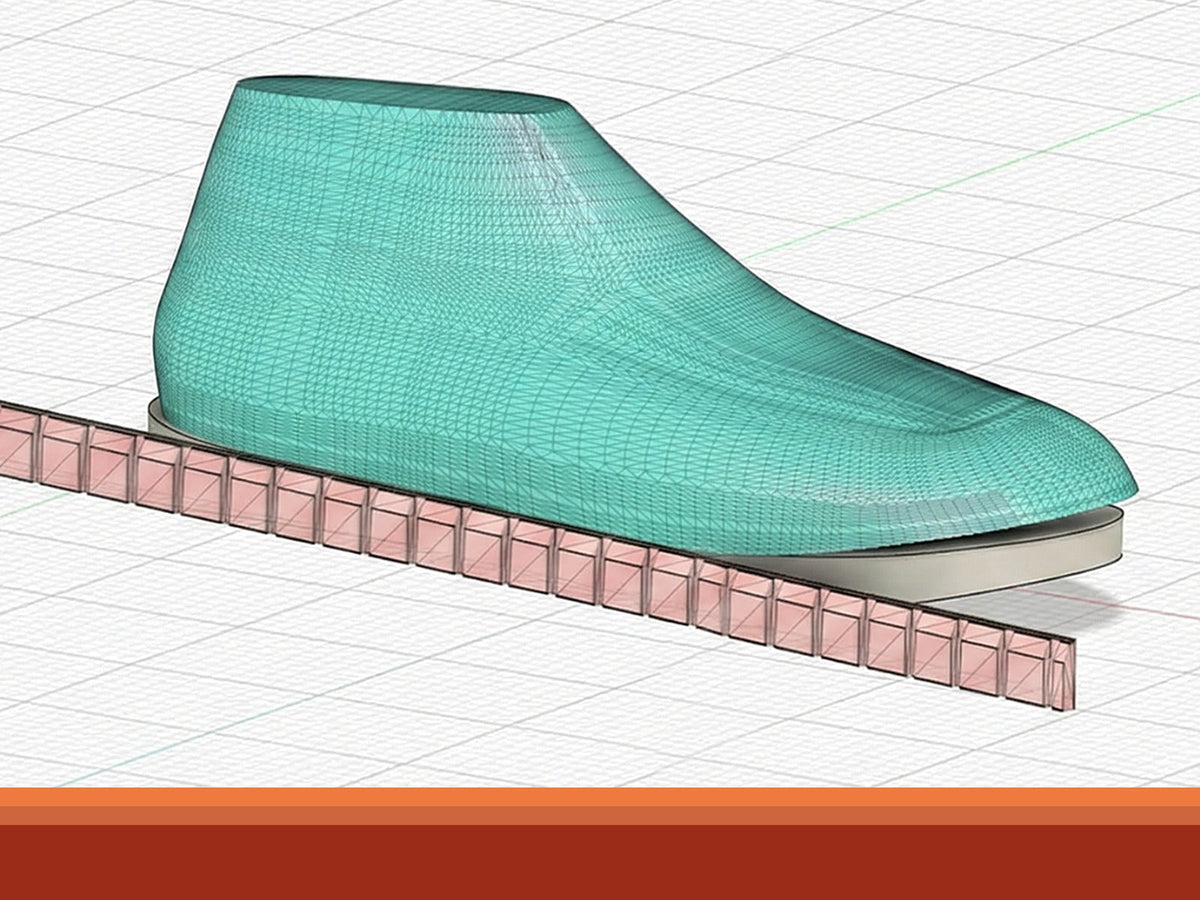
- Complete a Virtual Consultation. After checkout, take 3 photos of each foot on printer paper in the IAMBIC app with advanced smartphone 3D scanning, and answer a short questionnaire on your comfort preferences and how much of your day you spend walking. Together they capture 20 biometric variables, and the last for your pair is built from them, fit down to the millimeter.
- We craft and ship. Each precision-fit pair is handcrafted in Portugal from Italian full-grain leather and delivered in about 4 weeks. Future pairs refine the fit through Sole Print™ wear analysis and your comfort check-ins.
Each step is laid out in the full fit process, and the airport test for travel shoes puts a single pair through a full travel day. The measurement system is on the technology page. IAMBIC is not a medical device and does not diagnose or treat any condition.
FAQs
How much should I walk each day?
Dr. Menz points to 30 minutes of walking during the day as a practical target. He also cites evidence that people who walk at least 1 hour a day have a significantly longer life expectancy than those who walk less. Starting with 10 minutes and building up gradually makes the habit easier to keep.
Can walking help with weight loss?
Walking helps, and it works best with diet. According to Dr. Menz, 30 minutes of walking burns about 150 calories, and regular walking may improve metabolism and reduce cravings for snacks. He is clear that keeping weight off takes both regular exercise and a healthy diet.
Why do my feet hurt when I start walking more?
More walking puts more load on your feet, and shoes that do not fit concentrate it in the wrong places. Dr. Menz’s research associates ill-fitting shoes with common foot problems and foot pain. Build distance gradually, check that your shoes fit your width and length, and see a podiatrist if pain lasts.
What should I look for in shoes for walking every day?
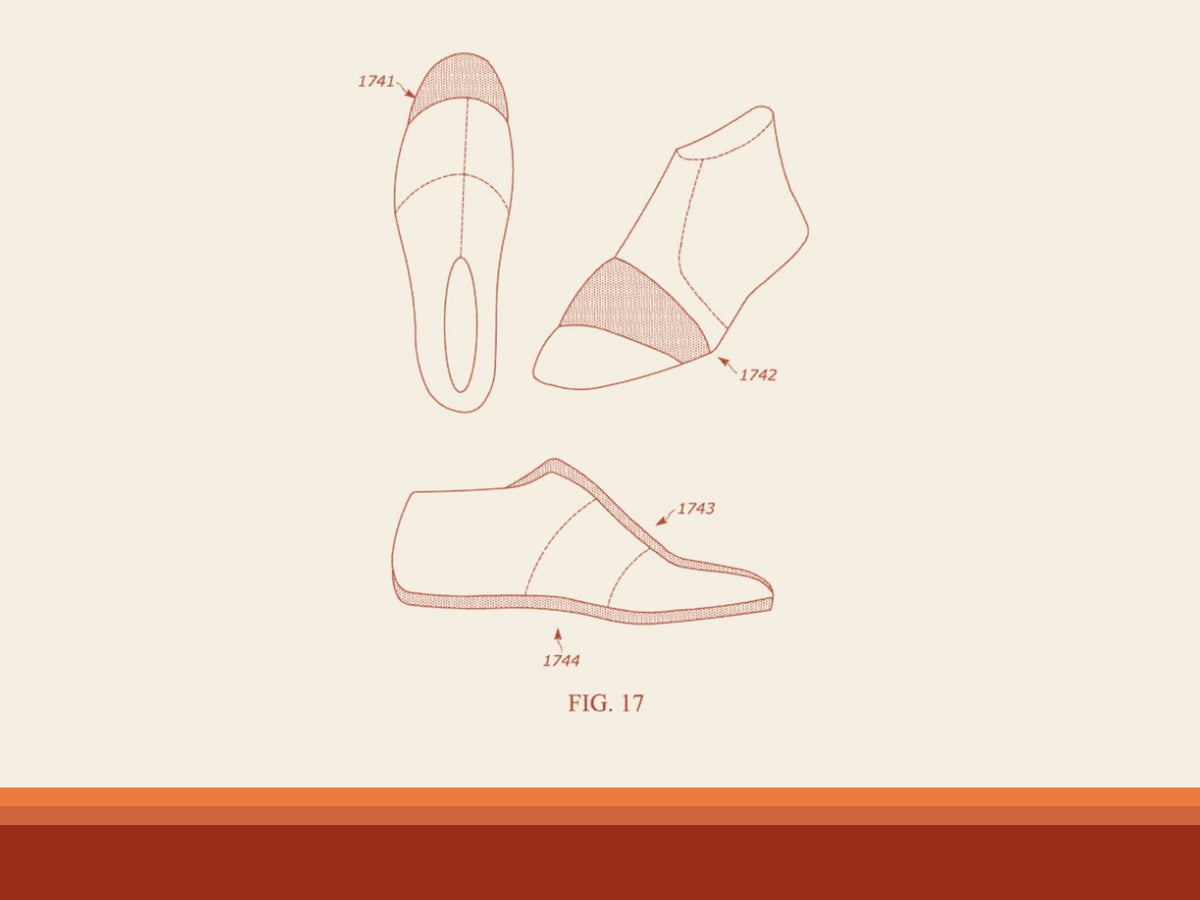
Look for shoes that match your foot’s length and width, keep the heel seated with no lift as you walk, and leave room across the ball of the foot. The shoe should still feel comfortable at the end of a long walk. A shoe built on a last from your own measurements starts from that fit.
What if the fit is not right?
Every MODEL T is covered by the Signature Fit Guarantee, with refits until the fit is right. Questions about fit go to a trained biomechanical engineer on the IAMBIC team. The Italian full-grain leather also molds to your foot as you warm up the shoes over the first weeks of wear.
Sources
- Bronstein S. Dr Hylton Menz of IAMBIC on how making walking a daily habit can improve every aspect of your life. Authority Magazine. August 17, 2025.
- Buldt AK, Menz HB. Incorrectly fitted footwear, foot pain and foot disorders: a systematic search and narrative review of the literature. Journal of Foot and Ankle Research. 2018;11:43.
- Fritz S, Lusardi M. White paper: “walking speed: the sixth vital sign”. Journal of Geriatric Physical Therapy. 2009;32(2):46-49.
Walk more in shoes built for you
Every pair is HSA/FSA eligible and covered by the Signature Fit Guarantee.