IAMBIC engineers precision-fit footwear built to the millimeter through advanced smartphone scanning, AI, and biomechanics. Designed in New York City and crafted in Portugal, your foundation begins with the MODEL T.
Recognized as a TIME Best Invention and backed by the U.S. National Science Foundation.
Before the leather is cut and before the outsole meets the ground, there is the last, the sculpted form a shoe is built around. In footwear design, the last is the blueprint. It sets the shape your foot lives in, the posture your body stacks on, and the “feel” you notice in the first few steps.
For centuries, last-making has been equal parts measurements and craft. A great last doesn’t just trace your foot, it predicts how your foot moves, where pressure builds, and what your stride needs. Master last-makers made these judgments by hand, refining each form over years.
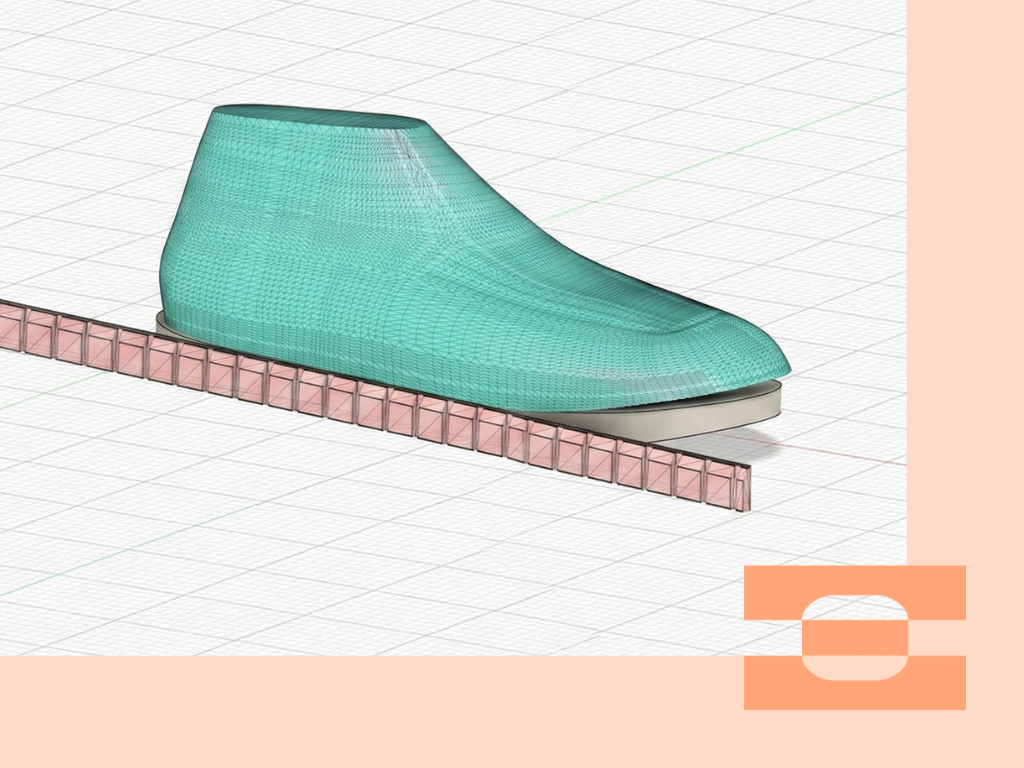
For the MODEL T, everything begins here: we generate a personalized last from your scan, then build the shoe around that geometry, so fit stays consistent from heel seat to toe-off.
What a “last” really is
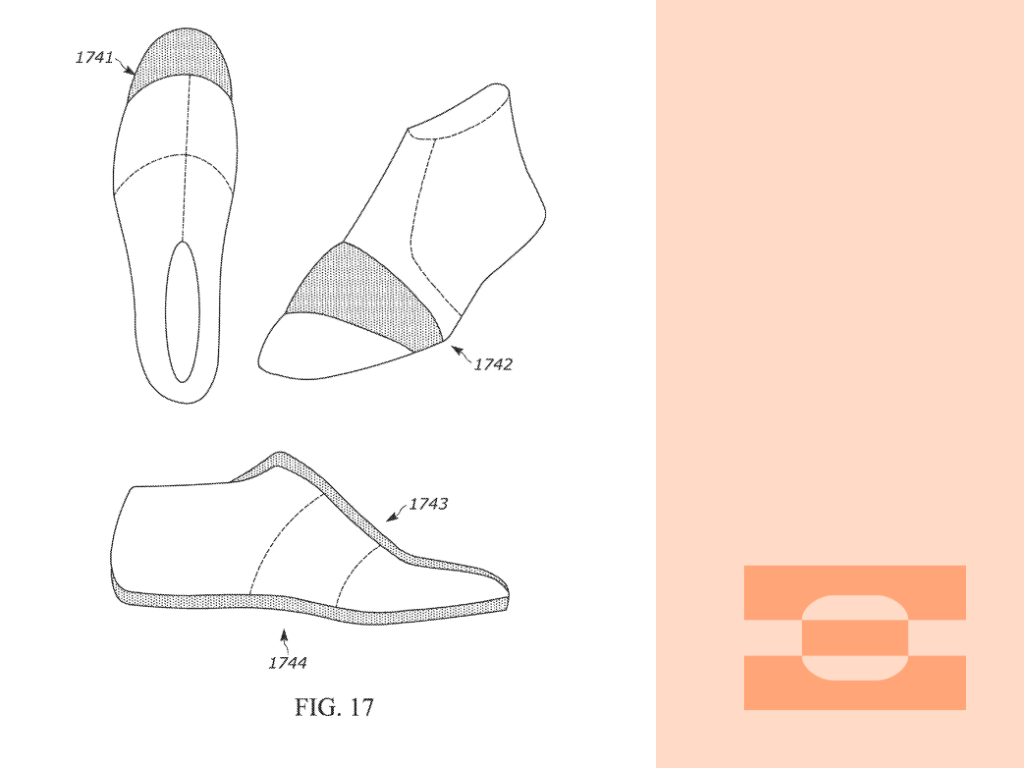
A shoe last is a three-dimensional interpretation of the human foot that shoes are shaped around, not a direct copy. It represents foot shape, volume, and posture, while accounting for how the foot behaves under load, through motion, and across time (Cheng & Perng, 2000).
Think of it like a chassis in motorsport: when the foundation is tuned to real-world forces, every component that follows has a clearer job. Toe shape, heel pitch, internal volume, and the way the upper wraps are all decisions that start at the last, then show up later as comfort, stability, and confidence in motion.
The last sets the fit in millimeters
Researchers describe the shoe last as a key driver of footwear shape, size, and fitting, because the shoe is formed around it (Luximon & Luximon, 2009).
That matters because “comfort” is rarely a single feature. It is the sum of how the shoe holds your heel, how evenly it distributes pressure, and how predictably it guides your stride from step to step. When the last is aligned to real foot geometry, the upper and platform can do what they were designed to do: feel steady, feel secure, and feel natural across long days.
Why lasts are more than measurements
Foot measurements alone do not produce a good last. A last requires decisions about proportion, balance, volume distribution, and how the foot is expected to load and move inside the shoe. These judgments explain why last-making has historically been a specialized craft, refined over decades rather than derived from formulas.
Two feet with identical length and width measurements can require very different lasts depending on arch structure, heel geometry, forefoot spread, and gait tendencies. The last resolves those variables into a coherent internal shape that the rest of the shoe can support.
Why modern fit starts with better data
Multiple research pathways point to the same direction: better foot-shape measurement supports better last design. A practical review of 3D scanning in last design describes 3D scanning as an effective way to capture foot shape and dimensions used to design the inner shape of footwear (Chertenko et al., 2023). The challenge is not capturing data, but translating complex, dynamic foot behavior into a last that remains stable, wearable, and repeatable.

And footwear engineering research has demonstrated CAD-driven approaches that extract foot features from scanned feet, then use those features to generate a customized last and evaluate fit (Xiong et al., 2010).
A more recent systematic review of shoe-last customization summarizes today’s landscape as scan-informed modeling and parameterization workflows that focus on aligning last geometry with anthropometric factors (Wrześniowska, 2023).
Effective digitization in last design depends as much on interpretive models as on raw measurement accuracy.
Where the MODEL T starts
At IAMBIC, the last is where precision becomes wearable.
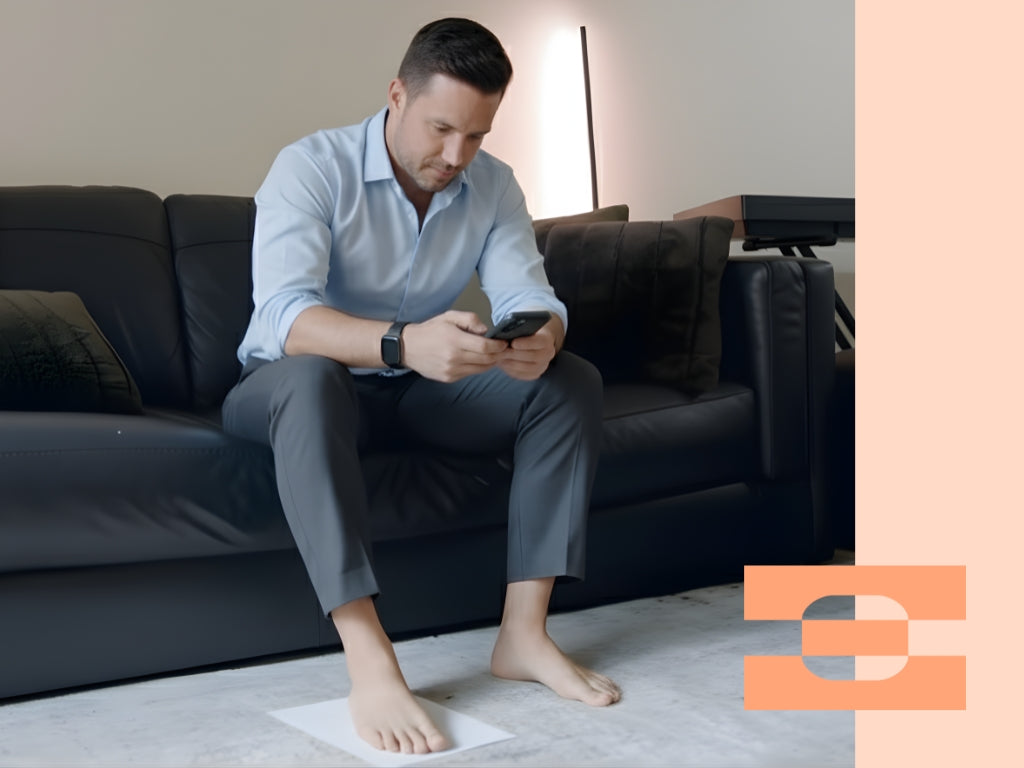
The MODEL T begins with a smartphone scan that captures detailed geometry, then translates that data into a personalized last through proprietary modeling that accounts for shape, volume, and expected motion. From there, every choice becomes more specific: the upper is shaped to wrap cleanly, the platform is designed to feel steady, and the shoe’s structure is built to stay consistent over time.
How to “feel” a great last
A well-made last tends to show up as a few clear sensations:
- The heel feels seated and stable, so your stride feels clean and repeatable.
- The midfoot feels supported and aligned to the platform, so your foot feels anchored during long standing days.
- The toe area feels appropriately shaped for natural movement, so transitions feel smooth as your day gets longer.
When those cues are present, the shoe reads like a piece of equipment: confidence, consistent performance, and a fit that stays coherent from morning commute to late-night walk home.
FAQs
What is a shoe last?
A shoe last is a three-dimensional interpretation of the human foot that footwear is shaped around. It represents shape, volume, and posture while accounting for how the foot behaves under load and through motion (Cheng & Perng, 2000).
Why does the last matter for comfort?
The last sets the internal shape of the shoe, which influences how securely the heel is held, how pressure distributes, and how your stride is guided from step to step (Luximon & Luximon, 2009).
Why not just use length and width measurements?
Length and width are only part of fit. Last design requires decisions about proportion, balance, and volume distribution, and how the foot is expected to load and move inside the shoe.
How does scanning improve last design?
Research describes 3D scanning and CAD-driven workflows as effective ways to capture foot shape and use extracted features to generate customized lasts and evaluate fit (Chertenko et al., 2023; Xiong et al., 2010; Wrześniowska, 2023).
Helpful links
IAMBIC is not a medical device and does not diagnose or treat medical conditions.