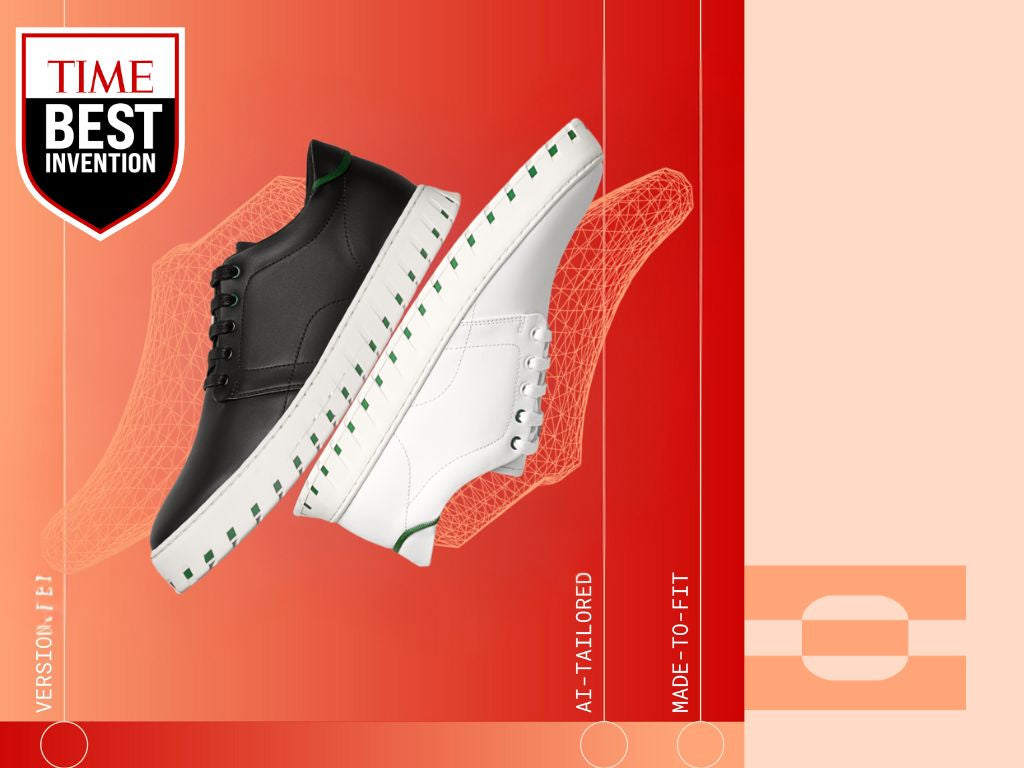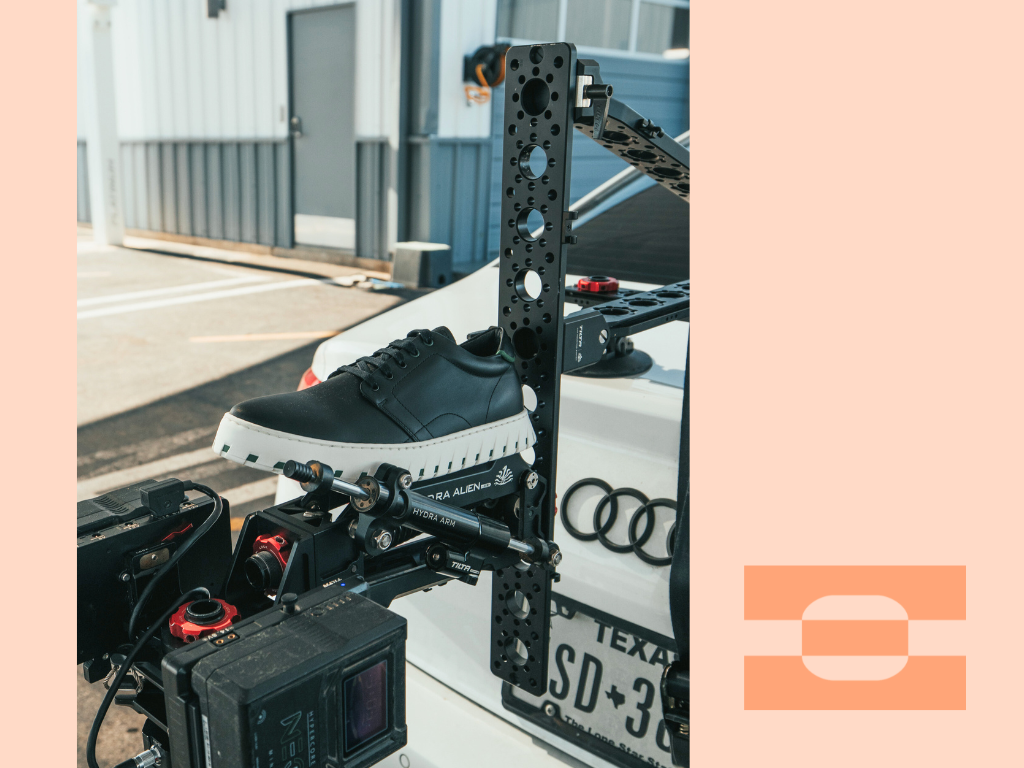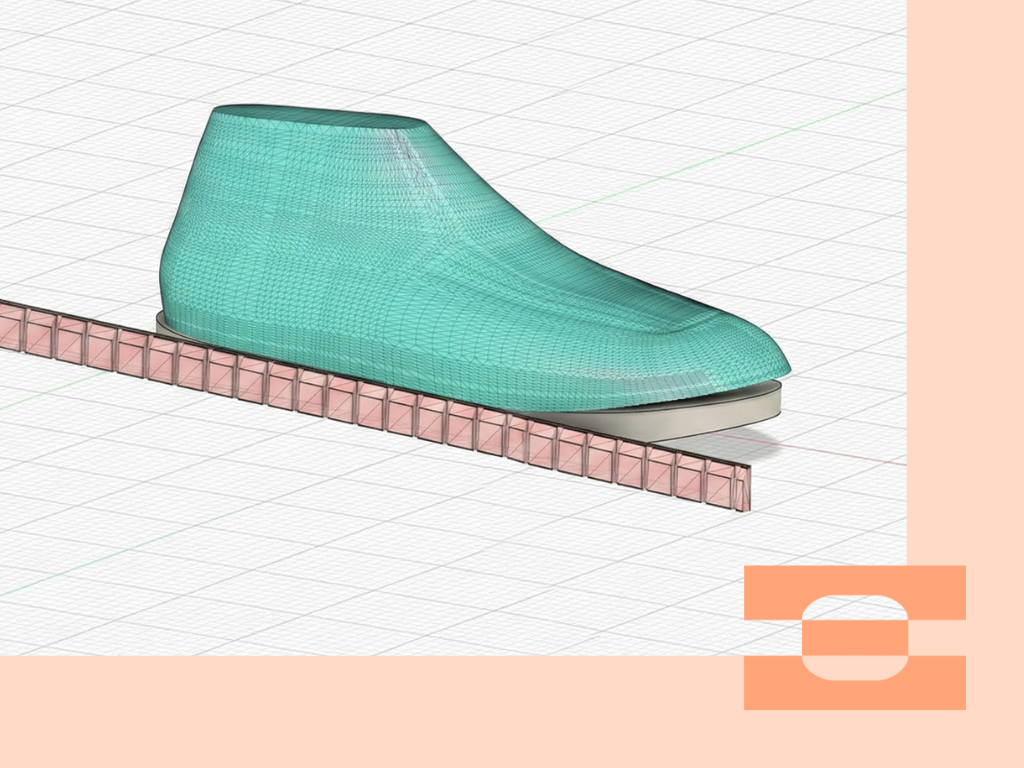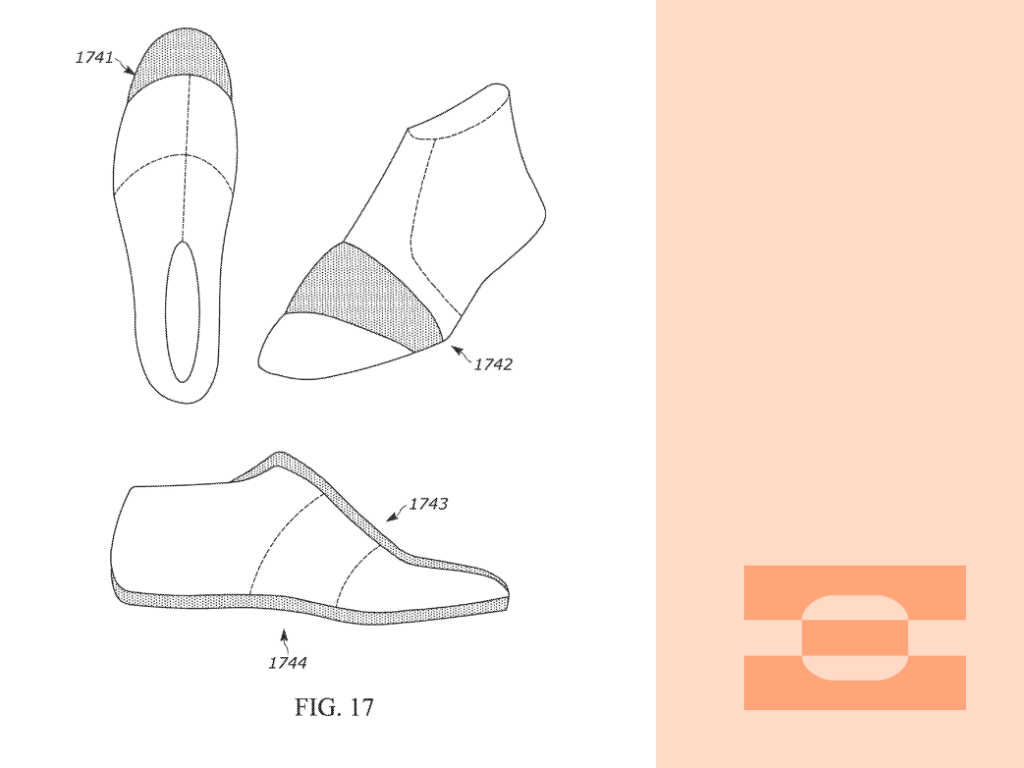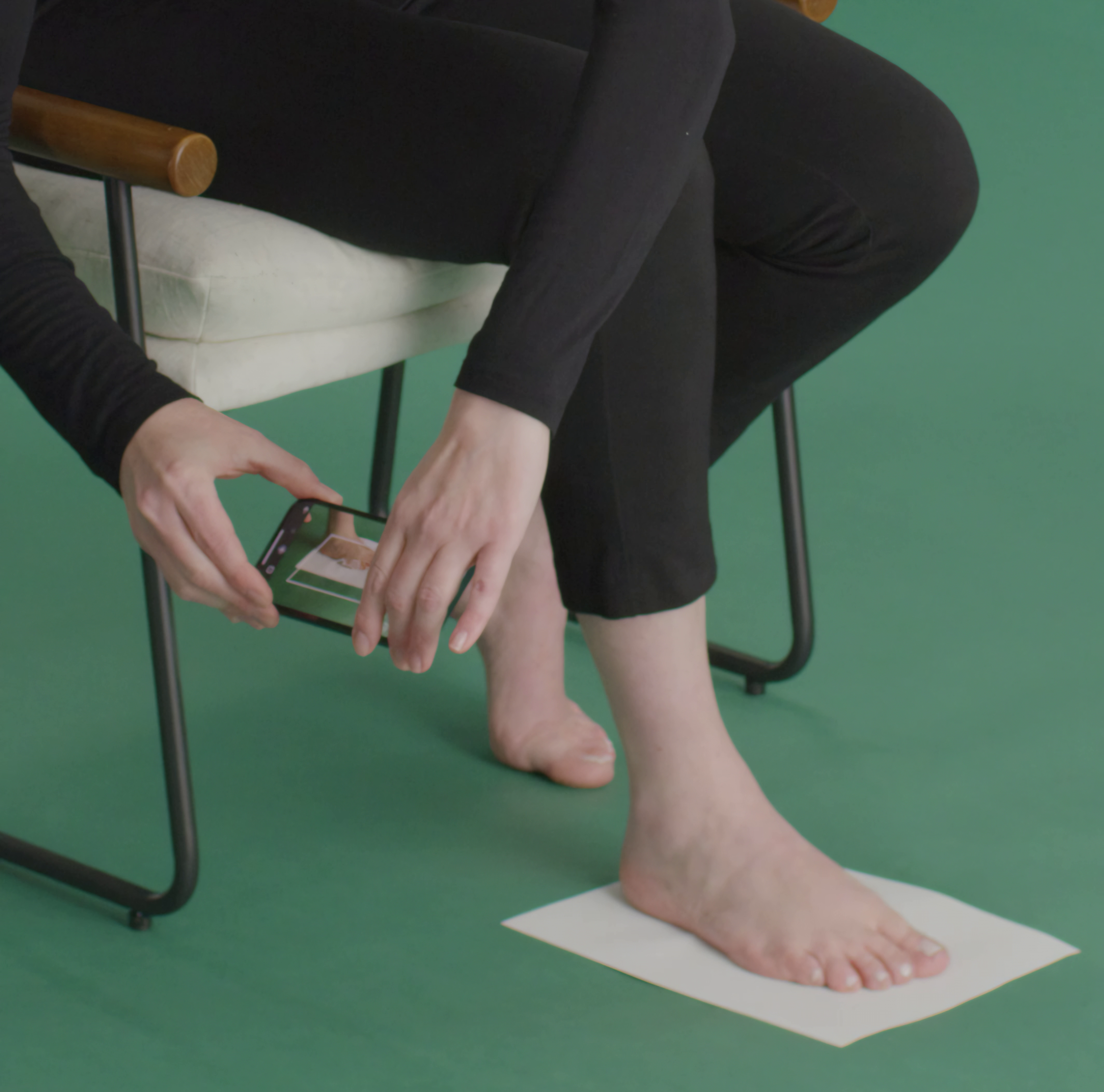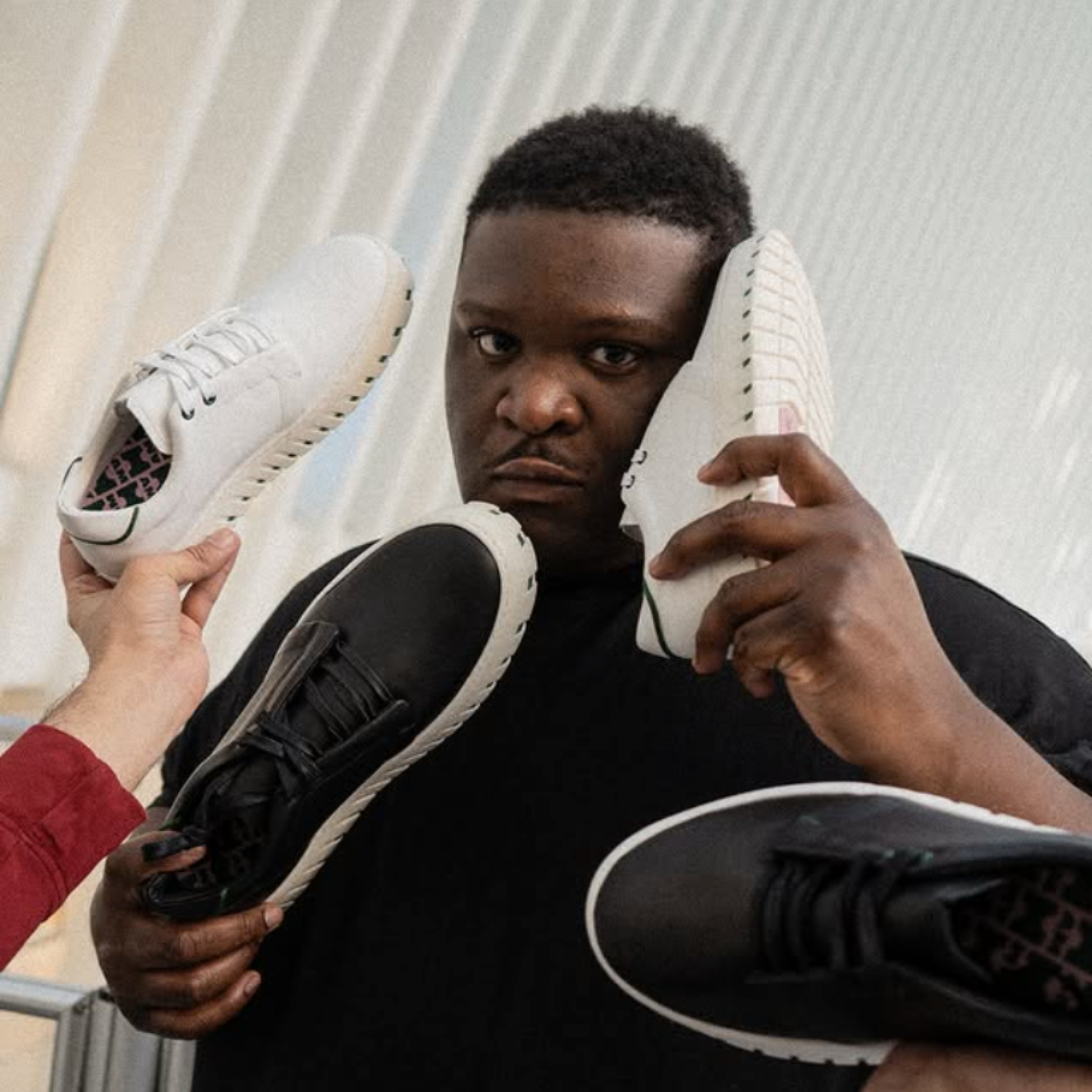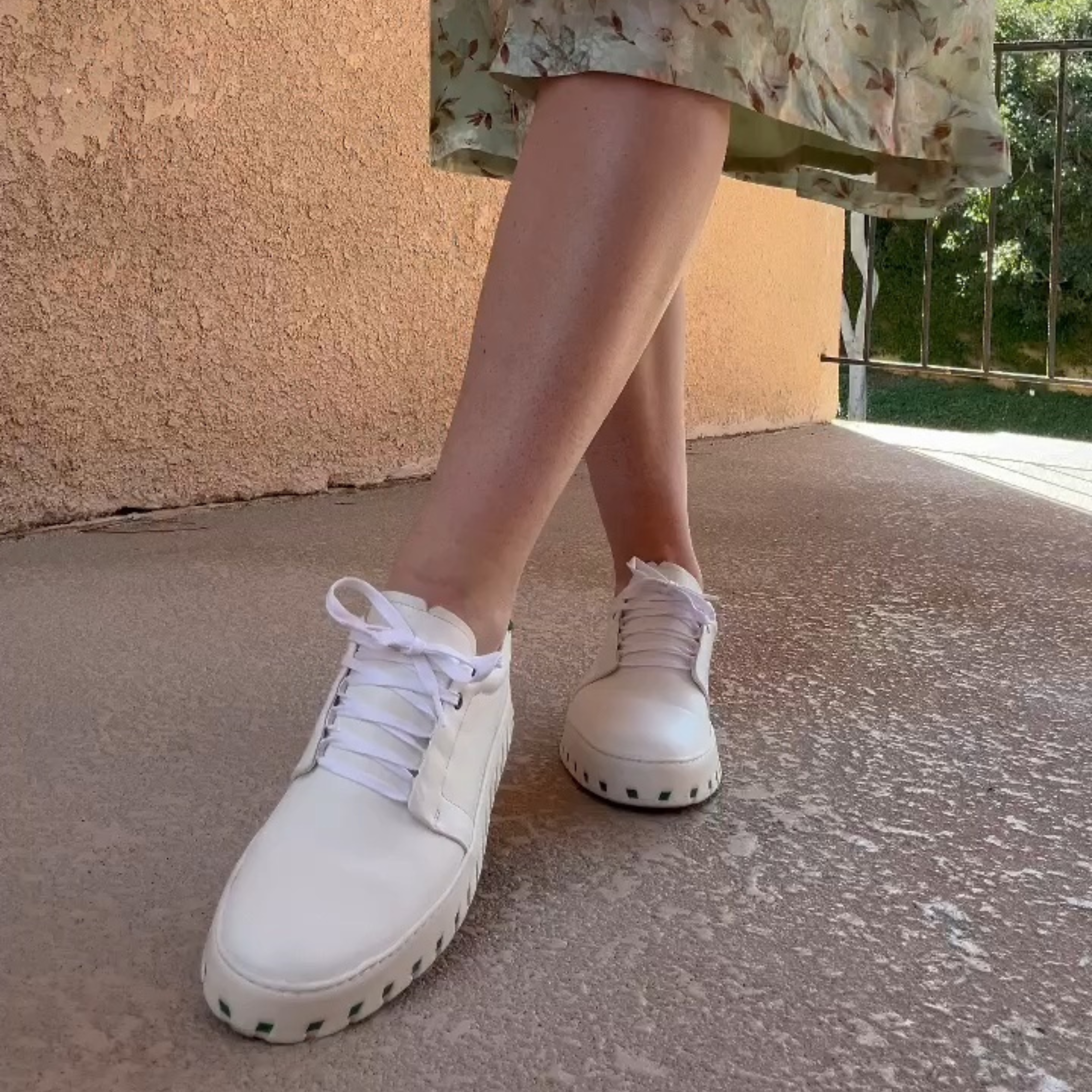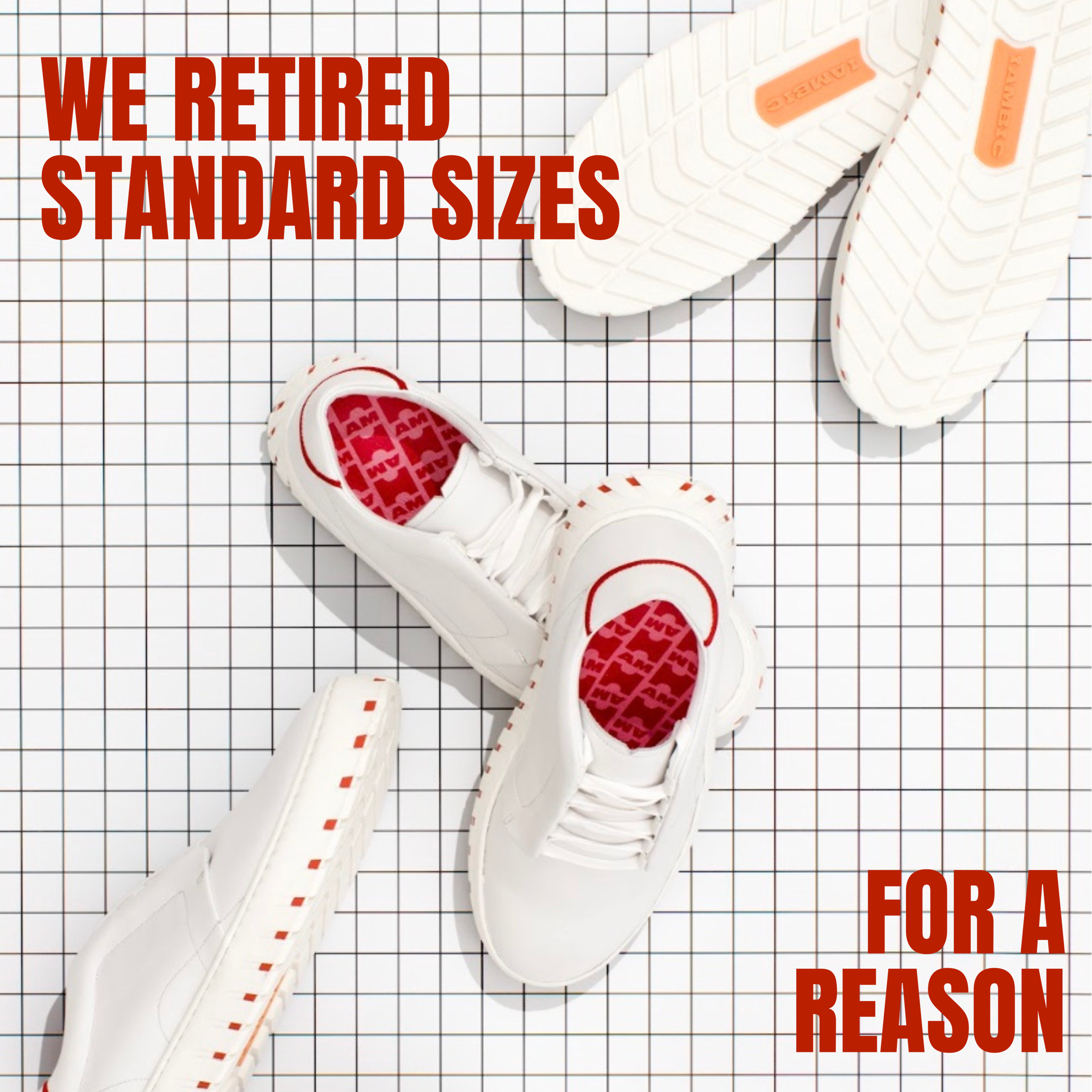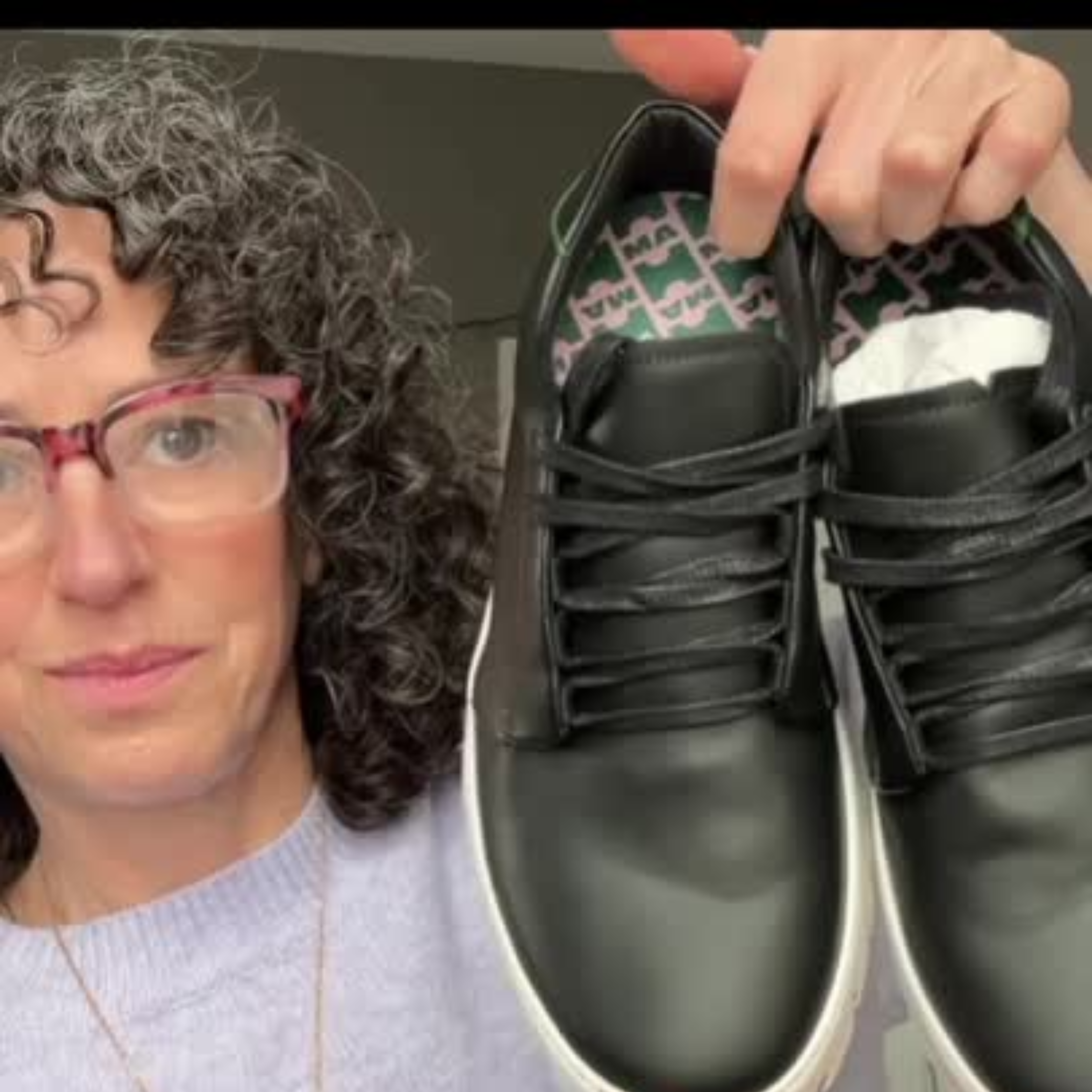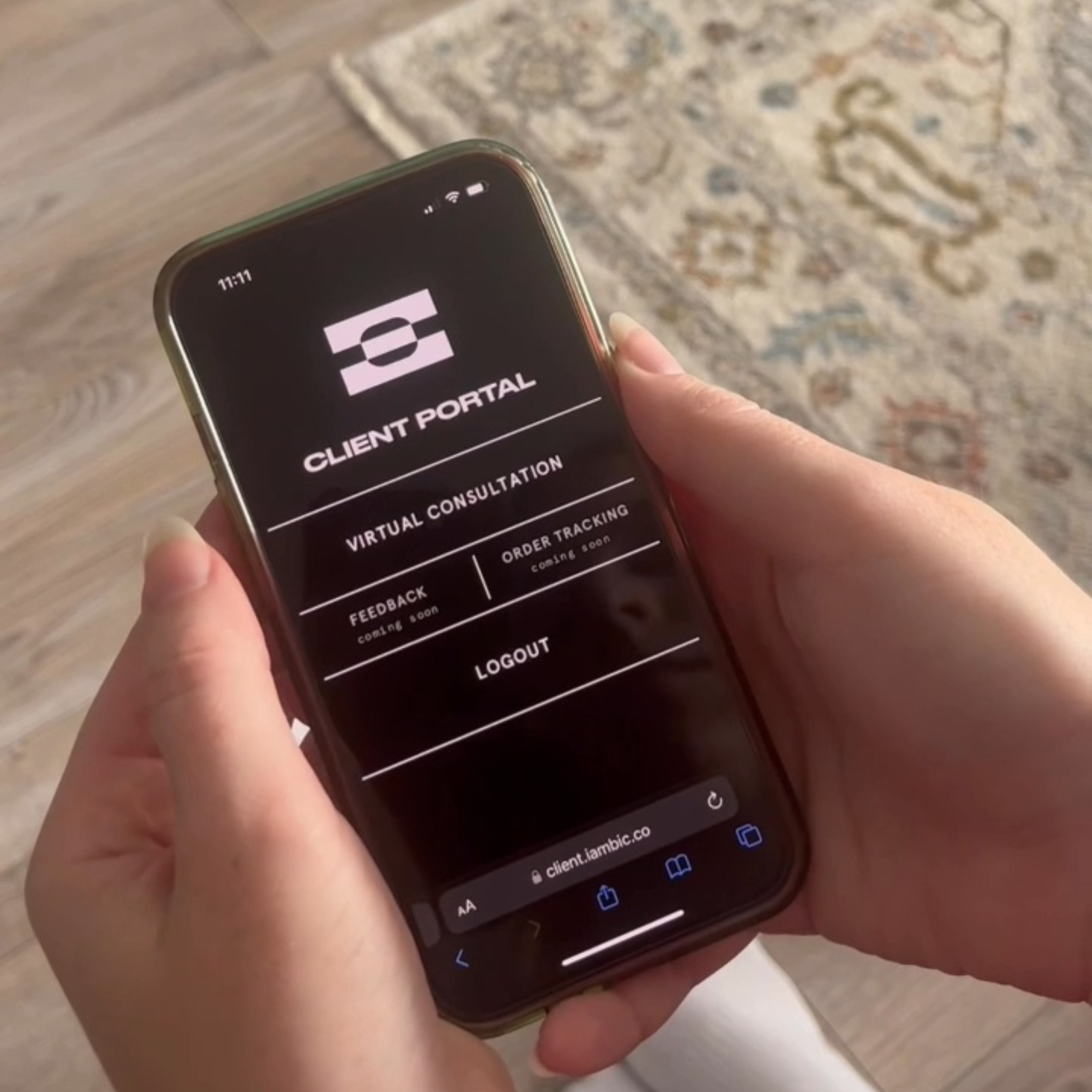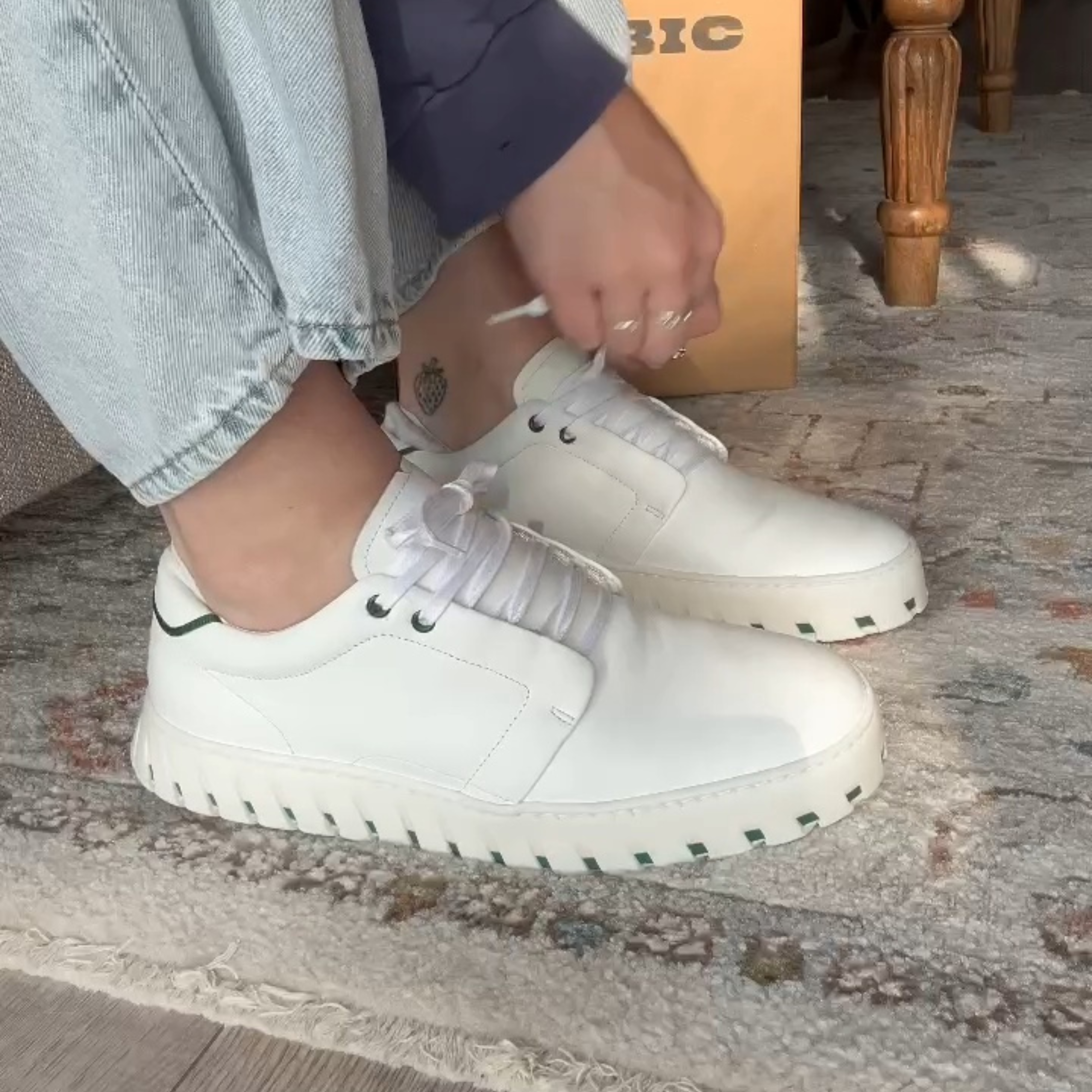
IAMBIC engineers precision-fit footwear built to the millimeter through advanced smartphone scanning, AI, and biomechanics. Designed in New York City and crafted in Portugal, your foundation begins with the MODEL T.
Recognized as a TIME Best Invention and backed by the U.S. National Science Foundation.
Executive focus is mindset, but it’s also a bandwidth problem.
Your brain is constantly prioritizing signals, some are strategic (the meeting, the numbers, the decision), and some are physical (pressure, fatigue, friction, heat). When your footwear is working against you, those signals climb the priority list and start taking up space you would rather spend elsewhere.
This is where all-day comfort becomes an input to your attention.
Below are seven science-backed mechanisms that connect what’s happening at your feet to what’s happening in your head, and how to choose footwear that supports sustained focus.
7 Science-Backed Ways Footwear Shapes Focus
1. Discomfort is an attention magnet
In cognitive science, discomfort is treated as a high-priority signal (Eccleston & Crombez, 1999), it pulls attention because it can imply threat, risk, or the need to change behavior.
What it means for your day: If something in your shoe is “not quite right,” your brain keeps checking it. That checking costs time and attention, even when you stay productive.
2. Acute discomfort can change alerting and orienting systems
A meta-analysis of lab studies found that experimentally induced discomfort can affect alerting (readiness) and orienting (shifting attention) (Gong, Fan, & Luo, 2019). Even when “executive attention” looks firm, the method that keeps you sharp can get noisier.
What it means for your day: You can stay “on,” but it can feel like it takes more effort to stay locked in.
3. Standing work can raise discomfort and slow sustained attention reaction time
Standing desks are useful, but long, uninterrupted standing is not automatically “better.” In a controlled study of two hours of standing computer work, discomfort increased across body areas, and sustained attention reaction time deteriorated (Baker et al., 2018).
What it means for your day: If your shoes are not built for standing, the “focus tax” shows up faster than you expect and the cumulative strain on your feet, knees, and lower back can compound throughout the day.
4. Sitting work can increase discomfort and raise errors in creative problem solving
The same research group ran a parallel study on two hours of sitting computer work. Discomfort increased, and creative problem-solving errors increased (Baker et al., 2018), even as sustained attention stayed anchored.
What it means for your day: Even when sitting, poorly fitted shoes create pressure points and restrict circulation in your feet. That discomfort doesn’t disappear just because you’re off your feet. Your brain still processes it as a low-grade stressor. Whether standing or sitting, foundational comfort matters, and footwear is part of the system either way.

5. Comfort is measurable, and fit keeps showing up as a core driver
Comfort sounds subjective, but the research treats it as measurable and multi-factorial. A major narrative synthesis by Dr. Hylton B. Menz highlights how comfort is shaped by shoe features, task demands, and individual anatomy. It also notes that well-fitted, lightweight shoes with soft midsoles and curved rocker-soles are generally perceived as most comfortable (Menz & Bonanno, 2021), and that simple rating scales can reliably capture overall comfort.
What it means for your day: Comfort is an outcome, and fit is often the multiplier.
6. Softness is not the same thing as support
One reason “comfortable” shoes fail over a long day is that softness can feel good at first while still requiring your body to stabilize, adapt, and compensate over time.
Excessive cushioning creates an unstable platform. Your feet, ankles, and core muscles work overtime to maintain balance and alignment, leading to fatigue that soft foam was supposed to prevent. Research on standing work shows that moderate cushioning can reduce discomfort (Speed et al., 2018), but there is a ceiling, beyond a certain threshold, more cushioning doesn’t mean more comfort. The optimal level provides enough shock absorption without compromising stability.
What it means for your day: The goal is steady and consistent support that holds up through hours, not maximum softness. You need firm support with cushioning where it counts.
7. Environment matters and small interventions add up
Workplaces that involve prolonged standing consistently report fatigue and discomfort (Waters & Dick, 2015), and reviews highlight interventions like floor mats, sit-stand supports, shoes, and inserts. And in real-world standing jobs, adding mats and well-fitted shoes has been shown to be more comfortable than standing on hard flooring (King, 2002).
What it means for your day: Your comfort is determined by shoes, floor, schedule, and movement breaks. Your footwear is the one piece you control every day. Proper footwear can reduce strain on joints and soft tissue, potentially lowering the risk of plantar fasciitis, knee pain, and lower back issues over time.
A 60-Second Comfort Audit
If you want a practical way to connect “comfort” to “focus,” start here:
- After 2 hours, do you notice your feet, or forget them?
- Do you feel steady on turns, stops, and stairs?
- Does the shoe keep its shape, or feel different by hour six?
- Do you unconsciously shift weight during calls or meetings?
- Do you want to take them off immediately when you get home?
If your answers point to constant awareness, your attention is doing double duty.
How IAMBIC Thinks About All-Day Comfort
At IAMBIC, comfort is treated like performance equipment, fit is always first. The objective is a secure base that supports alignment and endurance across real executive conditions, meetings, travel days, long walks, and hours on your feet.
FAQs
Does footwear discomfort really affect attention?
Discomfort is treated as a high-priority signal in cognitive science, which means it can pull attention away from what you are doing (Eccleston & Crombez, 1999).
What matters more for all-day comfort: softness or support?
Softness can feel pleasant at first, and long-day comfort is shaped by stability, fit, and calibrated cushioning. Research suggests moderate cushioning can reduce discomfort during standing work (Speed et al., 2018).
Can sitting days still create a comfort and focus tax?
Yes. Research found discomfort can increase during extended sitting computer work, alongside increases in creative problem-solving errors (Baker et al., 2018).
How can I quickly tell if my shoes are costing me focus?
Use the 60-second comfort audit. Look for constant awareness, weight shifting, and a shoe that feels different by hour six. When your feet stay top of mind, your attention is sharing bandwidth.
Helpful links
IAMBIC is not a medical device and does not diagnose or treat medical conditions.