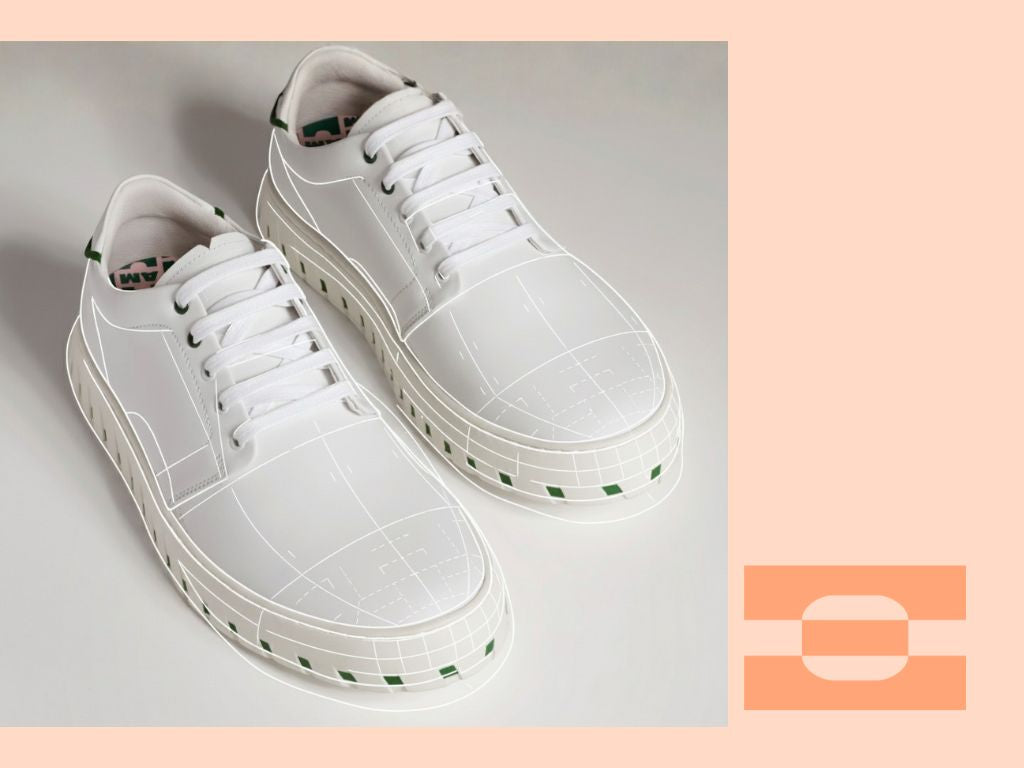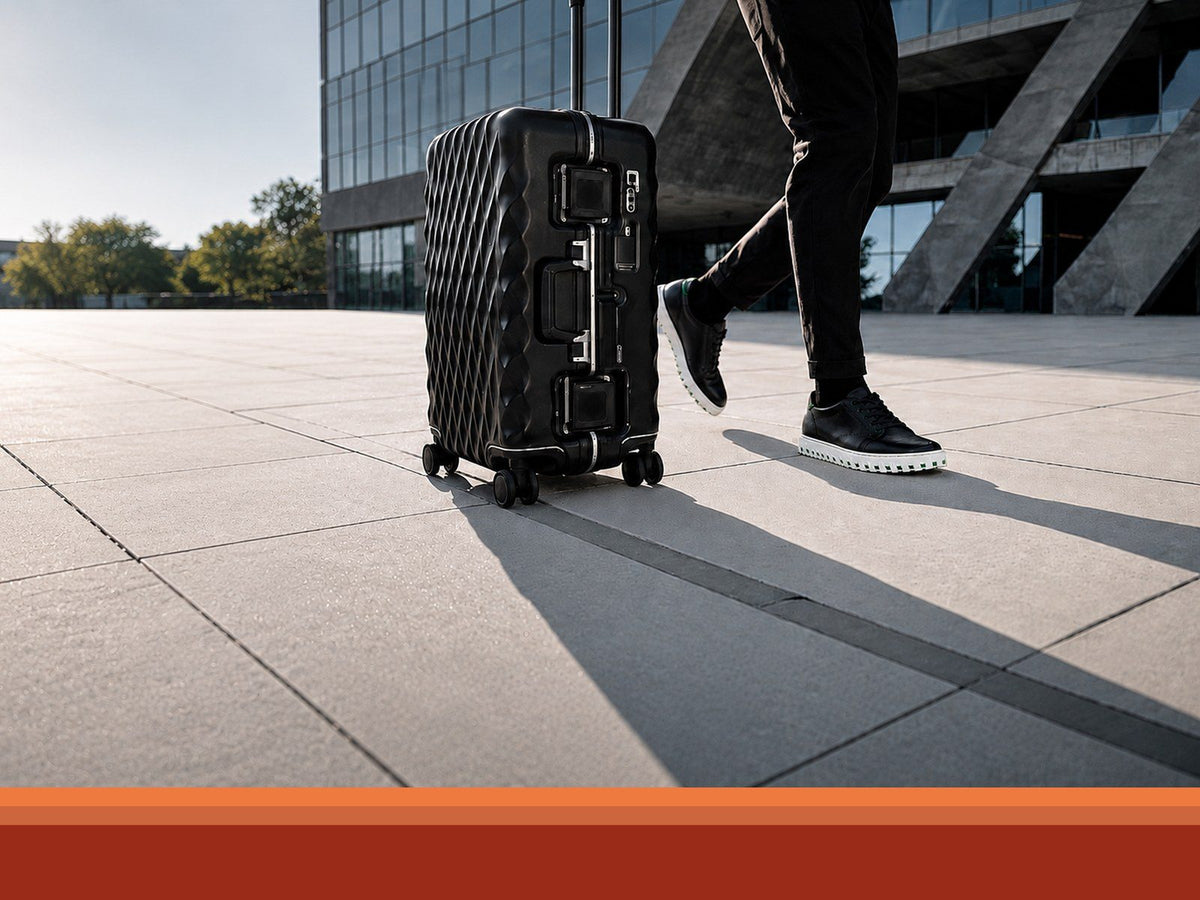
A precision-fit shoe is made one pair at a time, in order, from your own measurements. You scan with advanced smartphone 3D scanning, NASA-grade computer vision reads 20 biometric variables to the millimeter, and a last is generated for you alone. Master shoemakers in Portugal then handcraft the shoe on it in Italian full-grain leather. IAMBIC® builds every pair that way. Nothing is cut before you order. Forbes has covered IAMBIC twice, 2 years apart. In May 2023 Nadja Sayej wrote about what a shoe without sizes does for the body. In September 2025 Anna Haines wrote about what the same method does to manufacturing, from overproduction to returns. This post carries both features and what has changed since.
Key takeaways
- Every pair is made to order. No stock is cut in advance, so no pair exists without an owner.
- Forbes covered IAMBIC in 2023 on foot health and again in 2025 on manufacturing.
- An estimated 22 billion pairs of shoes reach landfill each year, with poor fit and overproduction driving much of it.
- Fashion overproduces by up to 40% each season, and footwear is among the most returned categories online.
- IAMBIC's fit engine holds a 98% accuracy rate across more than 50,000 fit profiles.
“Sizeless shoes that are good for your feet.”
Nadja Sayej, Forbes, May 2, 2023
How is a precision-fit shoe actually made?
In four steps, and the first one is measurement.
You take 3 photos of each foot on a sheet of printer paper and complete a comfort assessment covering where shoes hurt you and how you want the shoe to feel. That takes 10 to 15 minutes, once. NASA-grade computer vision reads 20 biometric variables from those images.
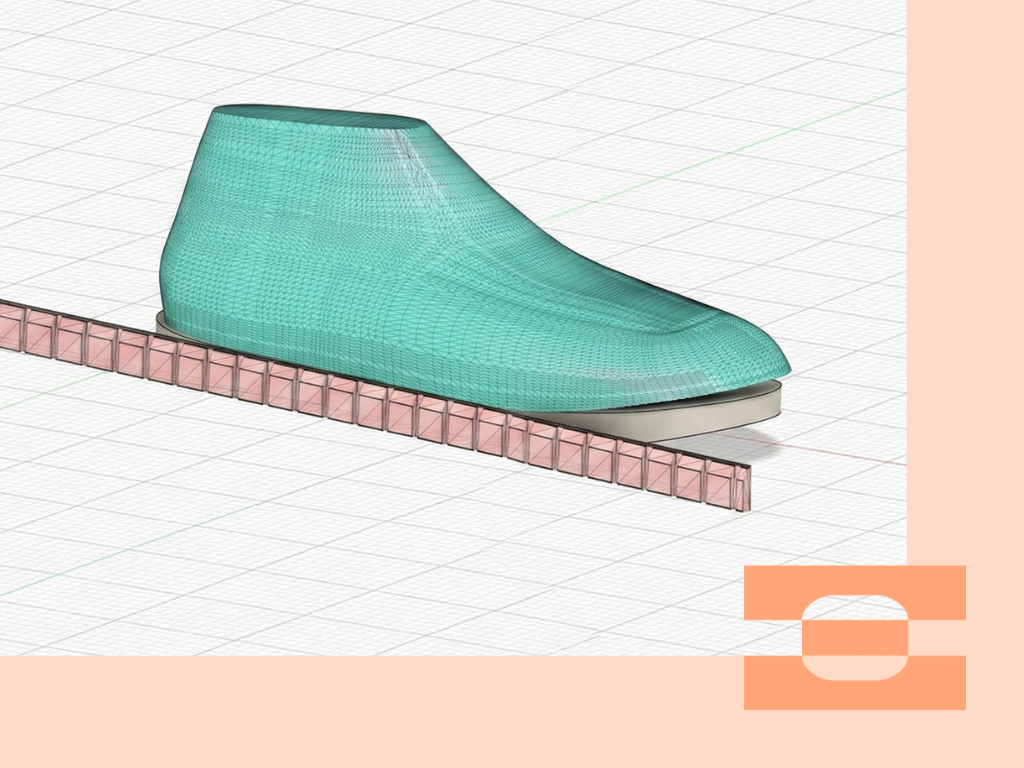
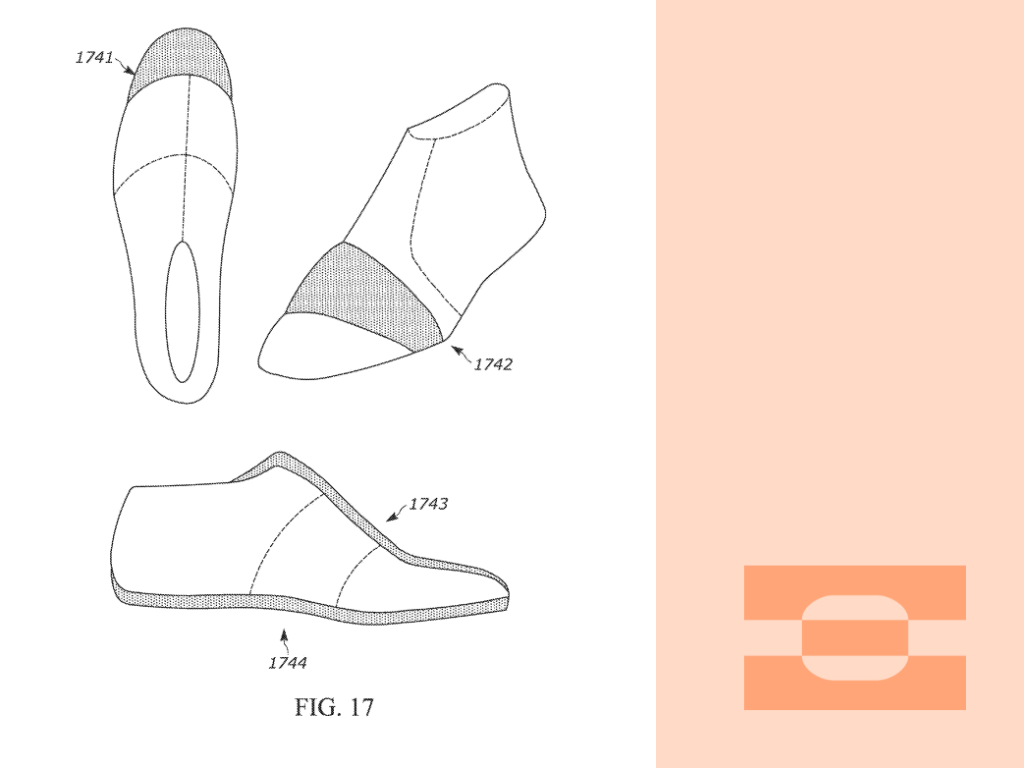
IAMBIC's models compare your variables against more than 50,000 fit profiles the company collected itself and generate a digital last, the foot-shaped form the shoe is built around. The fit engine holds a 98% accuracy rate at millimeter-level precision. More detail sits on the IAMBIC technology page.
That last then goes to Portugal, where master shoemakers handcraft the upper, sole, insole and heel against it in Italian full-grain leather. The pair ships in 4 weeks. True made-to-measure footwear reaches the same result in 3 to 12 months at $3,000 to $10,000, because a skilled maker has to measure you and carve the form by hand.
What does made to order change about waste?
It removes the guess that creates most of it.
Mass footwear is manufactured against a forecast. A brand predicts how many size 9s it will sell, cuts that many, and absorbs whatever is left. Forbes reported an estimated 22 billion pairs of shoes reaching landfill each year, with poor fit and overproduction driving much of that volume.
| Manufactured to forecast | IAMBIC, made to order | |
|---|---|---|
| When it is cut | Before anyone buys it | After you order |
| Who it fits | Whoever the size chart approximates | You, to the millimeter |
| Unsold stock | Discounted, then written off | None exists |
| Return driver | Fit and size, most cited | Refit, no return needed |
| Second pair | Same forecast, same guess | Improved from your wear data |
Fashion overproduces by up to 40% each season, and footwear sits among the most returned categories online with fit the leading reason. Precision fit removes both problems at the same point, which is the argument The Wall Street Journal made for custom-fit sneaker brands.
“Each pair has an owner before it is made.”
Maeve Wang, quoted by Anna Haines, Forbes, September 29, 2025
Why is building without sizes better for your feet?
Because a size approximates you, and a last built from your scan does not have to.
Shoe sizing standardizes length. Arch depth, width across the ball, heel seat and toe box volume are set by the last, and each brand cuts its own. A number on a box gets you close on one dimension and leaves the rest to chance.
That gap is where the trouble starts. Load lands unevenly, gait adjusts to compensate, and fatigue builds through a long day. Building from your own geometry removes the approximation at the point where it is introduced. Over a full ownership cycle it also changes what a pair costs over time.
IAMBIC is not a medical device and does not diagnose or treat any condition.
What the coverage got right
Two Forbes features, 2 years apart, arrived at the same place from opposite directions. Sayej wrote about the body in 2023 and asked what a shoe without sizes does for the person wearing it. Haines wrote about the factory in 2025 and asked what it does for the industry making it.
Neither treated precision fit as a luxury novelty. Both located it as a manufacturing change with consequences, which is the accurate reading. Haines also put the price and the lead time next to true bespoke, so a reader could see what the method actually costs against what it replaces.
What has changed since the features
Forbes published the first feature on May 2, 2023 and the second on September 29, 2025. A pair is $600 today, handcrafted in Portugal, delivered in 4 weeks and HSA/FSA eligible.
The dataset behind the fit engine has since grown past 50,000 scans. More on materials in the case for leather, and ordering questions are covered in the IAMBIC FAQs.
Who wrote these features
Anna Haines
Anna Haines is a journalist covering fashion, wellness and technology, and a Forbes contributor. Her feature on IAMBIC's manufacturing method ran on September 29, 2025.
Nadja Sayej
Nadja Sayej is an arts, design and culture journalist and a longtime Forbes contributor. Her feature introducing IAMBIC's sizeless approach ran on May 2, 2023.
Forbes
Forbes is a business publication founded in 1917, covering entrepreneurship, technology, investing and industry, with contributor coverage across consumer brands and manufacturing.
Frequently asked questions
How are custom-fit shoes made?
You scan each foot with 3 photos on printer paper and complete a comfort assessment. Computer vision reads 20 biometric variables, AI models generate a digital last from them, and master shoemakers in Portugal handcraft the shoe against that last in Italian full-grain leather.
What does made to order mean for shoes?
No pair is cut before someone buys it. Mass footwear is manufactured against a sales forecast, which means a brand guesses how many of each size it will sell, then discounts and eventually writes off whatever is left. Made to order removes that entirely, since every pair has an owner before production starts.
Are made-to-order shoes better for the environment?
They remove two sources of waste at once. Nothing is overproduced against a forecast, and fit-driven returns fall because the shoe is built to your own geometry. An estimated 22 billion pairs of shoes reach landfill each year, with poor fit and overproduction driving much of that volume, and footwear sits among the most returned categories online.
How long does it take to make a pair?
4 weeks from order to delivery. That covers generating your last from the scan, cutting and lasting the upper, and building the sole against it in Portugal. True made-to-measure footwear takes 3 to 12 months for the same result and costs $3,000 to $10,000, because a maker carves the form by hand.
What are sizeless shoes?
Footwear built from your own measurements with no size to select. The last is generated from your scan, so arch depth, width across the ball and heel hold are all set by your own geometry, never by a shared form. Forbes used the term when it first covered IAMBIC in 2023.
Where are IAMBIC shoes made?
Portugal, by master shoemakers, in Italian full-grain leather. Each pair is handcrafted individually against the last generated from your scan, then shipped directly to you within 4 weeks of ordering. Portugal holds one of Europe's deepest footwear traditions, and building there is part of what brings a made-to-order pair to $600.
Related IAMBIC coverage
- TIME on the Best Invention award
- Athletech News on the $600 question
- Shape on the fitting process
See what a last built from your own measurements feels like
HSA/FSA eligible. Unlimited refits included.