Summary
Maeve Wang, co-founder and CEO of IAMBIC, visits the Miami Shoe Museum with founder Luis Valenzuela to explore Innovation Legacies, a rotating exhibition that traces footwear breakthroughs from the 1800s to today. Together, they walk through pivotal moments in design and manufacturing, from the evolution of the shoe last to material experimentation and iconic innovators like Ferragamo. The conversation closes with IAMBIC’s place in the exhibition, spotlighting AI-tailored precision fit as a future-forward chapter in footwear history, and celebrating a permanent home for IAMBIC and archival pairs in the Miami Shoe Museum.
Key Takeaways:
- Innovation Legacies is a rotating Miami Shoe Museum exhibition showcasing footwear innovation from the 1800s to today.
- The shoe last and lasting processes shaped how shoes could be produced, scaled, and designed.
- Designers pushed footwear forward through new structures, materials, and manufacturing constraints, including iconic innovations associated with Ferragamo.
- The museum frames sneaker origins, early rubber experimentation, and the craft behind construction details that shaped modern footwear.
- IAMBIC’s project is positioned as a natural closing chapter of the exhibition, tying together design, technology, and the future of fit.
- The video highlights a shared belief that AI-tailored precision fit will become the new standard over time.
- IAMBIC and archival pairs, including Supercar Art Gods x IAMBIC, are recognized as part of the Miami Shoe Museum’s ongoing story.
Transcript
Hi everyone, I’m Maeve Wang, co-founder and CEO of IAMBIC, and Luis Valenzuela, founder of the Miami Shoe Museum. And today we are here to explore Innovation Legacies, the exhibition. Yeah, it’s an exhibition that we rotate every two months, three months actually, the exhibition at the shoe vault, and today you have the pleasure to see the original pieces all the way from the 1800 until now, including your project, which is part of the Miami Museum Reser Center, and we’re so proud to have you here right now. So let’s start it.
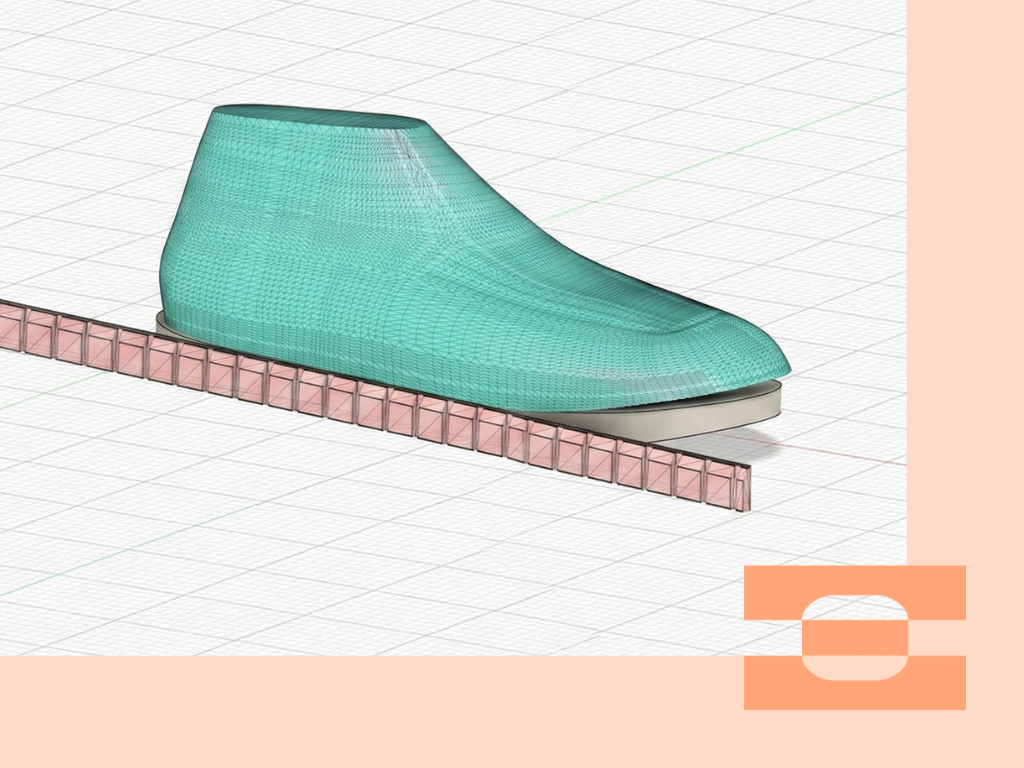
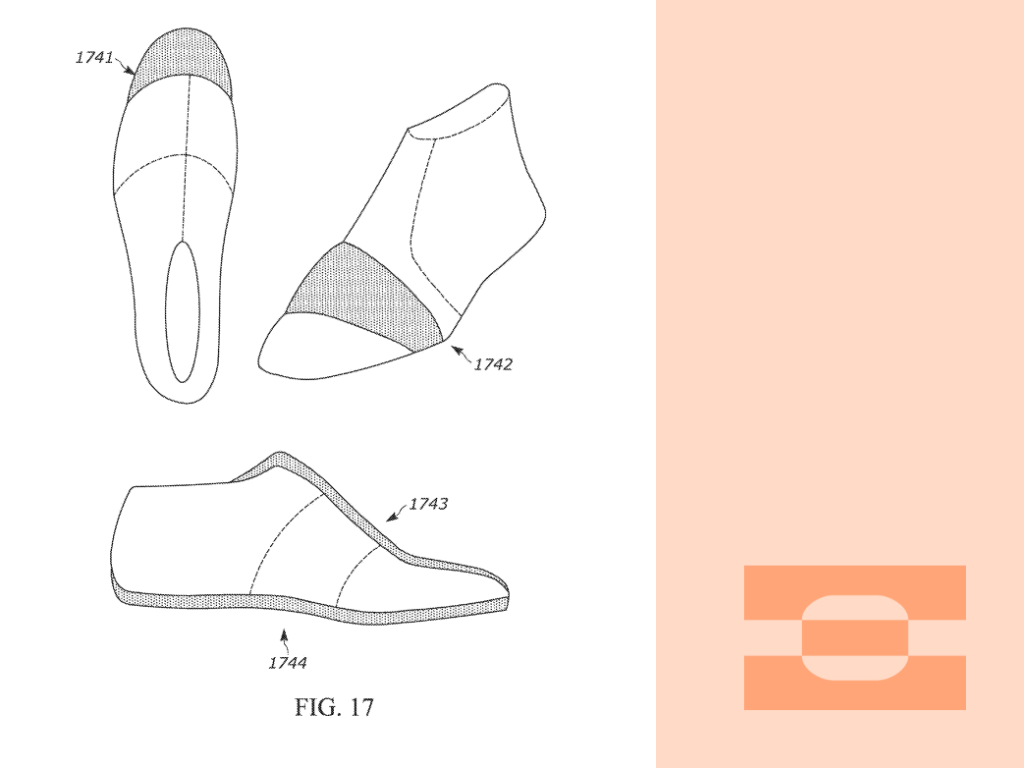
So this is kind of like beginning of the exhibition and it’s where we’re so proud to be presenting young Ernest’s concept who put United States in the market in Massachusetts in 1883 when he actually created or patented a machine to go from 50 shoes by hand every day to actually 500 per day with that machine, it’s called the lasting machine. So Soros is one of the brand that actually came out of that concept that was able to do shoes because of that invention in that time. What can I say? The most important part of the shoe process is the last because it’s a mold, and we start with this project and we end with your project, which is about last. So you will hear about it soon.
So now we get into the shoe vault and people scan the QR code to get into the shoe vault and we can start walking through the time. It’s like a time lapse. Yeah. So we start here with Peruja who introduced a concept of the cantilever, you know before everybody started talking about that in the 1930s, he actually created a shoe with a cantilever, which is a heelless concept. This one in particular is one that he created for, and it’s inspired by Picasso, so you can see the concept that is no heel, but it’s kind of like changing where the support of the shoe is.
And Ferragamo did it also. He patented this one which was the invisible sandal. And you can see the original here, and you can see other inventions from Ferragamo right here. Like this one, it’s a platform for Carmen Miranda. This one, he wanted to use more leather after World War II because they were in the process to produce for the war, so he went to Spain and he talked to the nuns that were doing that embroidery, and he brought that concept to shoes in that time.
So he really explored different materials because there was a need. Exactly. And that clear one is actually fishing, right? Yeah, it is. It is. And you can see how designers were continuously solving problems through craft, through new materials, through new structures, and through different eras of constraints.
We had this, another iconic piece from Jan Jensen, a Dutch designer. And you can see the material that he was using to create a heel, it’s bamboo. So sustainability to the top. It was too costly to produce it. It’s just a limited edition that we have. We honor, we had to have one in here, and Prada tried to do the same honoring him as well in another collection.
So we, again, the Miami Museum Resource Center, try to approach all the challenges that designers have to create something new. Here we had the pleasure also to show how the first sites were created, how they were, you can see how the seams were by hand in that time in the beginning of the 19, so these are handstitched spikes, yeah, from the beginning of 1900.
So when people are a sneakerhead in Miami and they don’t know where the sneakers came from, they can come and see it because this is one of the first kits. That’s where the rubber companies start doing the test of the rubber on fabric, before the sneakers that we see today. So the details and prototypes really show how footwear became what we recognize now.
We talk a lot about technology, or the same system to create, and how different inventions shaped what was possible. And what I love about the museum and this exhibition is it makes the lineage visible, it connects the decisions, the materials, the forms, the production methods, and the culture around shoes.
When people hear the concept, they’re like, “So, let’s just explain.” When I explain to them and when they hear your voice explaining the whole concept, they’re like, “What? Hold on one second. Now I understand.” So this is like the closing. That’s why I say the cherry of the iceberg. Because this is the closing.
This project, your project, combines all the elements that we were starting in the Innovation Legacies exhibition. So it’s a perfect fit for the end of the exhibition and I think it’s going to be the first one for the next project that we’re working on. Amazing. And so what this means, where we fit in history, is such a validation of my belief, which I also shared earlier, about how when future generations look back, this will have been seen as inevitable, AI-tailored precision fit shoes. Correct? And when future generations look back, people will wonder why we ever settled for anything less than shoes that actually fit us, that we love, that don’t hurt us. And so to have that story now be woven and connected, it’s really meaningful.
I know it’s just the beginning because a lot of things are going to come out of this and we’re going to be part of the process. Thank you for being here. Thank you. And in addition to that, just kind of planting the seeds for what’s to come, this will be a permanent home for IAMBIC in Miami and for upcoming releases and collections, including the Supercar Art Gods x IAMBIC collection. They will also have a home here. They’re archival pieces. So we’re just so honored. Thank you so much. Inspired generations. So yes, that’s our goal and we’re doing it already. Thank you.
So this is kind of like beginning of the exhibition and it’s where we’re so proud to be presenting young Ernest’s concept who put United States in the market in Massachusetts in 1883 when he actually created or patented a machine to go from 50 shoes by hand every day to actually 500 per day with that machine, it’s called the lasting machine. So Soros is one of the brand that actually came out of that concept that was able to do shoes because of that invention in that time. What can I say? The most important part of the shoe process is the last because it’s a mold, and we start with this project and we end with your project, which is about last. So you will hear about it soon.
So now we get into the shoe vault and people scan the QR code to get into the shoe vault and we can start walking through the time. It’s like a time lapse. Yeah. So we start here with Peruja who introduced a concept of the cantilever, you know before everybody started talking about that in the 1930s, he actually created a shoe with a cantilever, which is a heelless concept. This one in particular is one that he created for, and it’s inspired by Picasso, so you can see the concept that is no heel, but it’s kind of like changing where the support of the shoe is.
And Ferragamo did it also. He patented this one which was the invisible sandal. And you can see the original here, and you can see other inventions from Ferragamo right here. Like this one, it’s a platform for Carmen Miranda. This one, he wanted to use more leather after World War II because they were in the process to produce for the war, so he went to Spain and he talked to the nuns that were doing that embroidery, and he brought that concept to shoes in that time.
So he really explored different materials because there was a need. Exactly. And that clear one is actually fishing, right? Yeah, it is. It is. And you can see how designers were continuously solving problems through craft, through new materials, through new structures, and through different eras of constraints.
We had this, another iconic piece from Jan Jensen, a Dutch designer. And you can see the material that he was using to create a heel, it’s bamboo. So sustainability to the top. It was too costly to produce it. It’s just a limited edition that we have. We honor, we had to have one in here, and Prada tried to do the same honoring him as well in another collection.
So we, again, the Miami Museum Resource Center, try to approach all the challenges that designers have to create something new. Here we had the pleasure also to show how the first sites were created, how they were, you can see how the seams were by hand in that time in the beginning of the 19, so these are handstitched spikes, yeah, from the beginning of 1900.
So when people are a sneakerhead in Miami and they don’t know where the sneakers came from, they can come and see it because this is one of the first kits. That’s where the rubber companies start doing the test of the rubber on fabric, before the sneakers that we see today. So the details and prototypes really show how footwear became what we recognize now.
We talk a lot about technology, or the same system to create, and how different inventions shaped what was possible. And what I love about the museum and this exhibition is it makes the lineage visible, it connects the decisions, the materials, the forms, the production methods, and the culture around shoes.
When people hear the concept, they’re like, “So, let’s just explain.” When I explain to them and when they hear your voice explaining the whole concept, they’re like, “What? Hold on one second. Now I understand.” So this is like the closing. That’s why I say the cherry of the iceberg. Because this is the closing.
This project, your project, combines all the elements that we were starting in the Innovation Legacies exhibition. So it’s a perfect fit for the end of the exhibition and I think it’s going to be the first one for the next project that we’re working on. Amazing. And so what this means, where we fit in history, is such a validation of my belief, which I also shared earlier, about how when future generations look back, this will have been seen as inevitable, AI-tailored precision fit shoes. Correct? And when future generations look back, people will wonder why we ever settled for anything less than shoes that actually fit us, that we love, that don’t hurt us. And so to have that story now be woven and connected, it’s really meaningful.
I know it’s just the beginning because a lot of things are going to come out of this and we’re going to be part of the process. Thank you for being here. Thank you. And in addition to that, just kind of planting the seeds for what’s to come, this will be a permanent home for IAMBIC in Miami and for upcoming releases and collections, including the Supercar Art Gods x IAMBIC collection. They will also have a home here. They’re archival pieces. So we’re just so honored. Thank you so much. Inspired generations. So yes, that’s our goal and we’re doing it already. Thank you.