Summary
In this video, we share the early thinking behind IAMBIC’s approach to fit, starting with the idea that better matching could connect people to the right shoes at scale. As we built a smartphone-based foot scanner and tested across categories, we learned something important: fit is not only a data problem, it is a design and manufacturing problem. That insight led to a pivot, taking the principles of custom-made shoes and combining them with ergonomic design, AI, advanced manufacturing, and modularity to make precision fit more accessible.
Key Takeaways:
- The original hypothesis was simple: match personal preferences and foot data with shoe data using analytics and machine learning.
- Building a smartphone-based foot scanner and testing across shoe categories revealed a deeper issue than matching alone.
- The true bottleneck is design and manufacturing, not only data alignment.
- Improving existing shoes through fit data would take up to 10 years to impact what people wear day to day.
- Custom-made shoes offer fit and luxury, though they are typically expensive and slow to produce.
- IAMBIC pivoted to create its own shoe brand, merging custom principles with ergonomic design, AI, advanced manufacturing, and modularity.
Transcript
So initially, I thought it was just a matter of matching the two: your personal preferences and your foot data along with shoe data. And so, if we could use again a lot of the analytics tools that already exist, machine learning, we could get the best experts in the world to finally match us accurately with the 20 billion shoes that are manufactured every single day around the globe.
We all work together to get a National Science Foundation Grant and to build our smartphone-based foot scanner and we started testing this with shoes across sneakers, hiking boots, dress shoes, and we realized that data matching is not the solution, it is actually a design and manufacturing problem that we need to address.
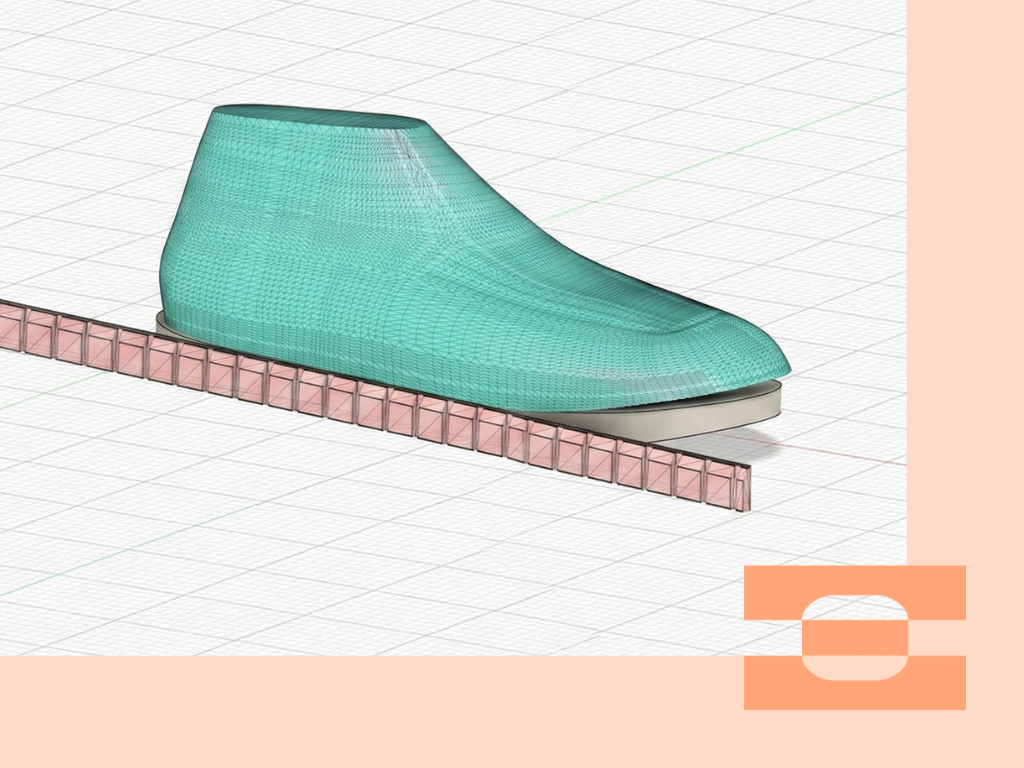
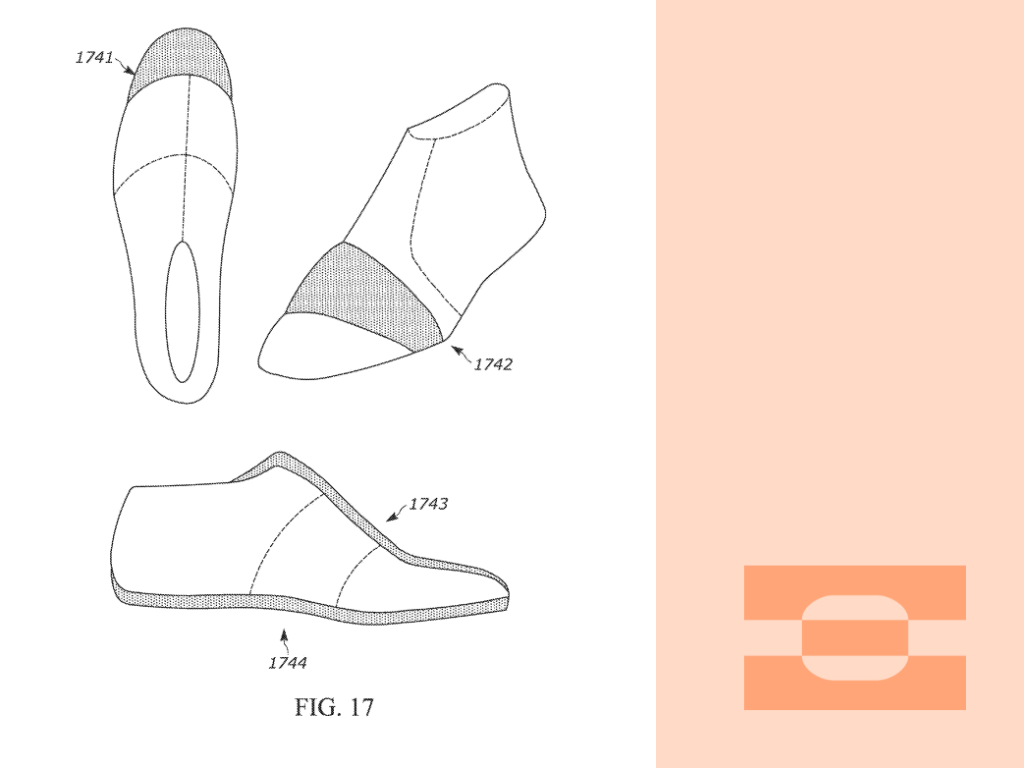
If we wanted to focus on foot data and how that could improve the design, improve the manufacturing techniques, then we calculated it would take up to 10 years for us to finally impact the physical shoes that you and I would put on our feet. And we reflected. We reflected on actually going back to the individual and thinking about custom-made shoes. Today, they cost between three to ten thousand dollars, take between three to twelve months to make, but if we could take those principles, fit and luxury, and merge them with scientifically proven benefits of ergonomic design, and leverage these amazing technologies around AI and advanced manufacturing and modularity, then perhaps we could make that accessible for the everyday shoe. And so that was when IAMBIC decided to pivot to our own shoe brand.
We all work together to get a National Science Foundation Grant and to build our smartphone-based foot scanner and we started testing this with shoes across sneakers, hiking boots, dress shoes, and we realized that data matching is not the solution, it is actually a design and manufacturing problem that we need to address.
If we wanted to focus on foot data and how that could improve the design, improve the manufacturing techniques, then we calculated it would take up to 10 years for us to finally impact the physical shoes that you and I would put on our feet. And we reflected. We reflected on actually going back to the individual and thinking about custom-made shoes. Today, they cost between three to ten thousand dollars, take between three to twelve months to make, but if we could take those principles, fit and luxury, and merge them with scientifically proven benefits of ergonomic design, and leverage these amazing technologies around AI and advanced manufacturing and modularity, then perhaps we could make that accessible for the everyday shoe. And so that was when IAMBIC decided to pivot to our own shoe brand.