Summary
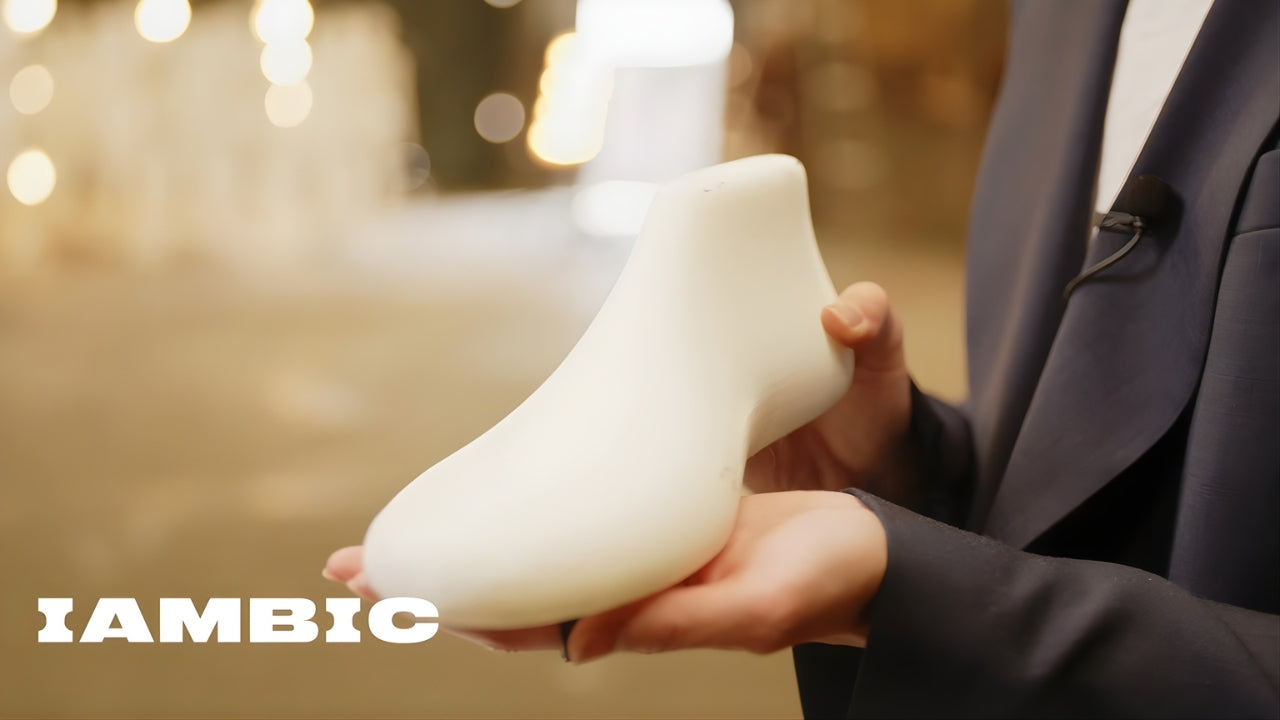
This video features IAMBIC co-founder Maeve Wang sharing how the company evolved from building a smartphone-based foot scanner to creating precision-fit footwear. She explains why shoe fit is not just a sizing or data problem, but a design and manufacturing challenge. The video is for people interested in AI footwear, custom shoes, and how technology makes better fit more accessible.
Key Takeaways:
- Shoe fit is a design and manufacturing problem, not only a sizing issue
- IAMBIC began with a smartphone-based foot scanner funded by the NSF
- Traditional custom shoes cost $3,000-$10,000 and take months to make
- AI and advanced manufacturing make precision-fit footwear accessible
- IAMBIC pivoted from software to creating its own precision-fit shoe brand
Transcript
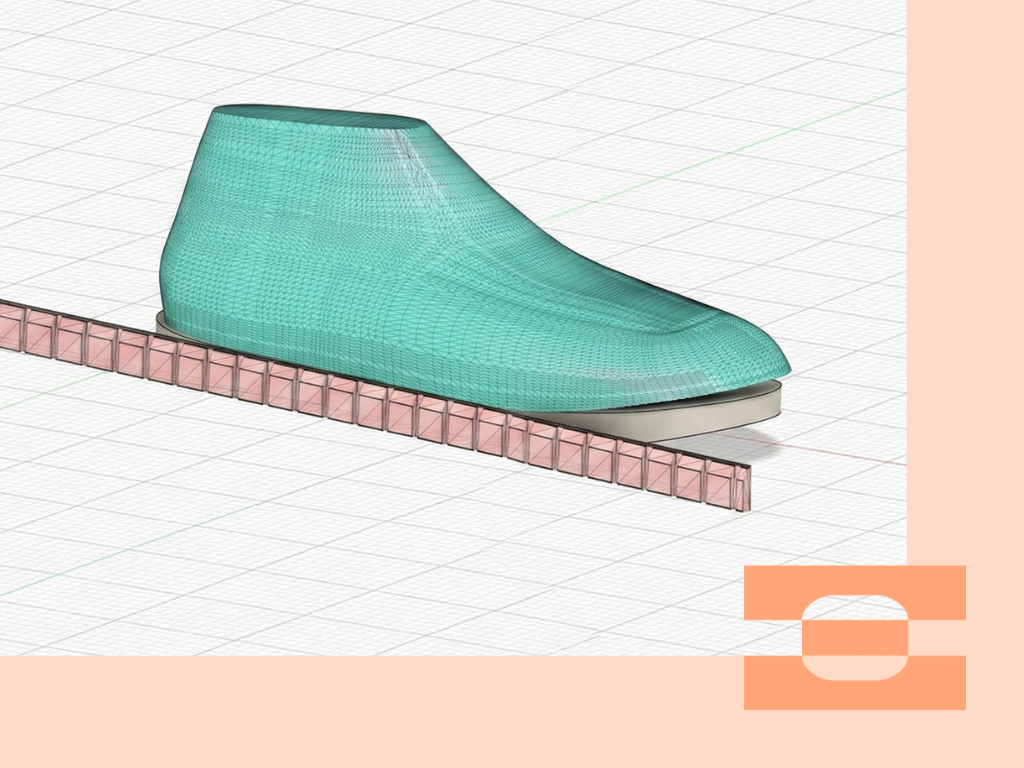
"We all worked together to get a National Science Foundation grant and to build our smartphone-based foot scanner. And we started testing this with shoes across sneakers, hiking boots, dress shoes. And we realized that data matching is not the solution. It is actually a design and manufacturing problem that we need to address.
So we went back to the drawing board and we asked ourselves, if we want to stay true to our mission and get people shoes that are their best fit without having to wait up to 10 years, what do we do? And we reflected. We reflected on actually going back to the individual and thinking about custom-made shoes.
And today, they cost between $3,000 and $10,000 and take between 3 and 12 months to make. But if we could take those principles of fit and luxury and merge them with scientifically proven benefits of ergonomic design, and if we could leverage these amazing technologies around AI and advanced manufacturing and modularity, we could make that accessible for the everyday shoe.
And so that was when IAMBIC decided to pivot to our own shoe brand. It was an incredible journey. The team really stuck it through, and we are really happy to be where we are today."
So we went back to the drawing board and we asked ourselves, if we want to stay true to our mission and get people shoes that are their best fit without having to wait up to 10 years, what do we do? And we reflected. We reflected on actually going back to the individual and thinking about custom-made shoes.
And today, they cost between $3,000 and $10,000 and take between 3 and 12 months to make. But if we could take those principles of fit and luxury and merge them with scientifically proven benefits of ergonomic design, and if we could leverage these amazing technologies around AI and advanced manufacturing and modularity, we could make that accessible for the everyday shoe.
And so that was when IAMBIC decided to pivot to our own shoe brand. It was an incredible journey. The team really stuck it through, and we are really happy to be where we are today."