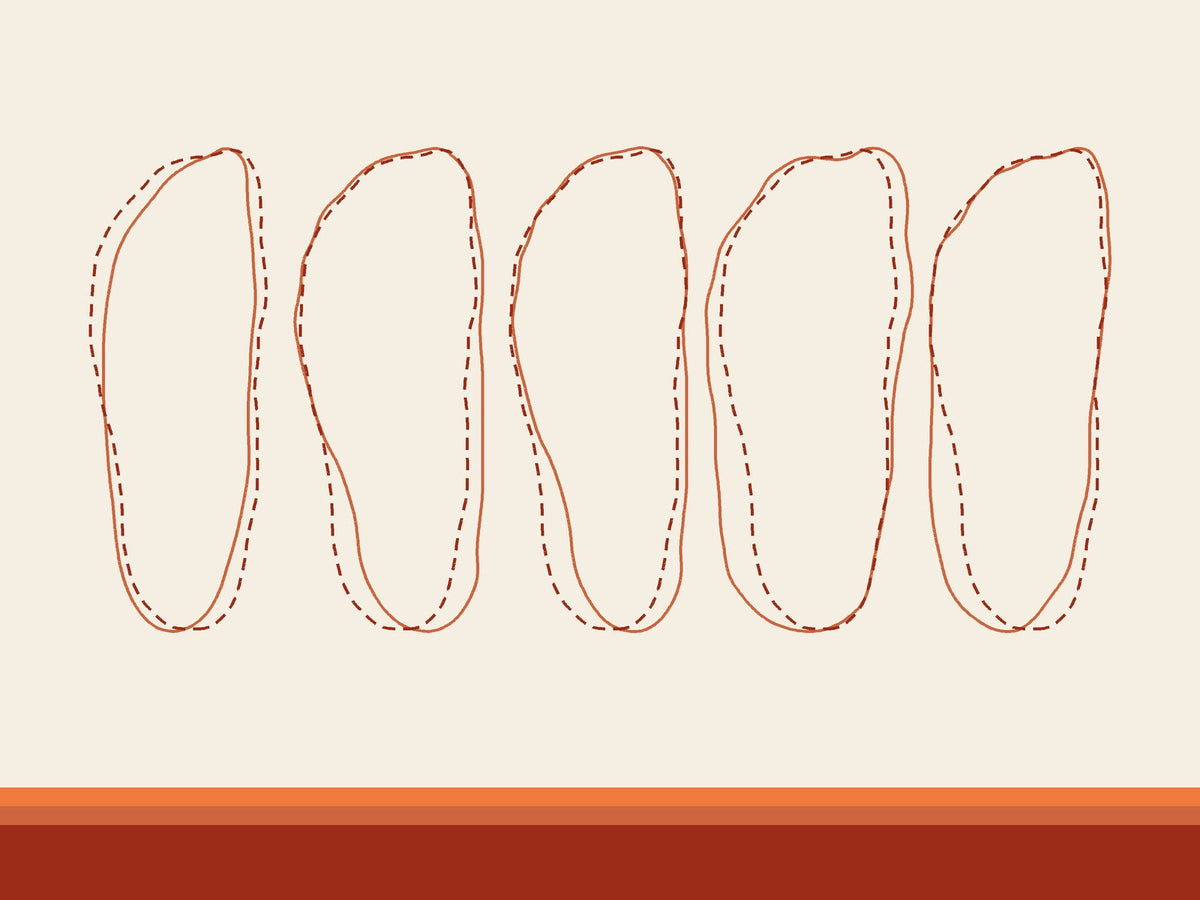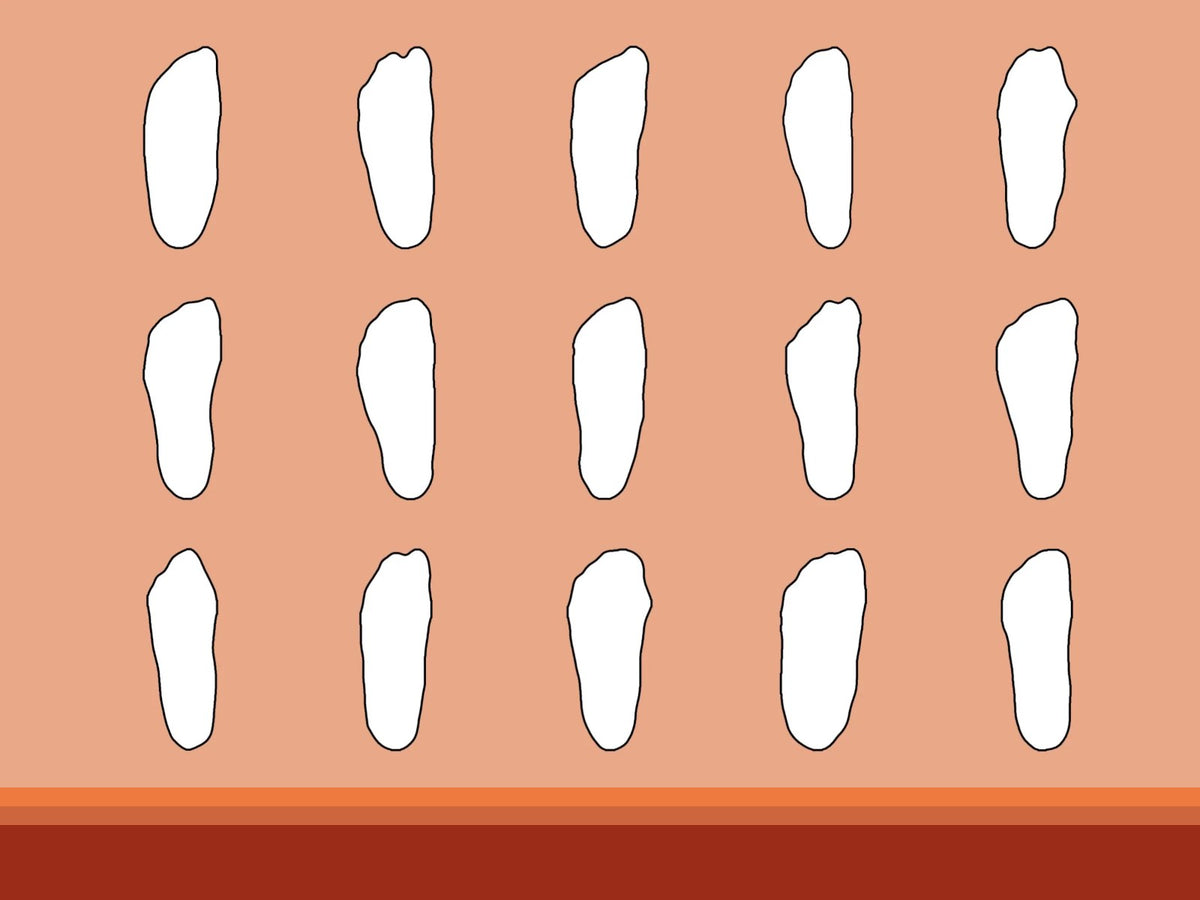
Proper shoe fit matters because most people wear shoes that miss the width or length of their feet, and research links poor fit to foot pain and foot disorders. That is the global impact, since poor fit is common across the populations studied. The human impact is personal: Fit shapes how far people walk and how active they stay.
IAMBIC® makes precision-fit, award-winning shoes, each built on a last based on your own measurements. The MODEL T starts from your feet, so fit is where the shoe begins.
Key takeaways
- Between 63 and 72 percent of participants in a 2018 review of 18 studies wore shoes that did not fit the width or length of their feet.
- Many people wear shoes that are too narrow, and the authors call for a greater range of widths for each length.
- Dr. Hylton Menz, who co-authored the review, says poorly fitting shoes may discourage consistency and limit physical activity over time.
- A few minutes of checks, standing, walking and at the end of a long day, show whether a pair fits.
- IAMBIC builds each last from 20 biometric variables, captured by smartphone photos and a short questionnaire, and the MODEL T was named a TIME Best Invention in 2023.
- Dr. Menz links regular walking to cardiovascular health, balance and mobility, mental health and weight management, so shoes that discourage walking cost more than comfort.
How many people wear shoes that do not fit?
Most people in the studies reviewed wore shoes that did not fit. Andrew Buldt and Hylton Menz reviewed 18 studies for the Journal of Foot and Ankle Research in 2018 and found that between 63 and 72 percent of participants wore shoes that did not accommodate the width or length of their feet.
Width was often the problem. Older people and people with diabetes were among the groups more likely to wear shoes that were too narrow, between 46 and 81 percent in the studies that measured it.
“Our research has found that around three-quarters of people wear ill-fitting shoes, and that this is associated with common foot problems. By addressing the problem of incorrect fit, we can improve the lives of thousands of people.”
Dr. Hylton Menz, Authority Magazine
Dr. Menz is a professor at La Trobe University in Melbourne and has been IAMBIC’s Scientific Advisor since 2020. The 2018 review predates that role.
Standard sizes miss so many feet because of how shoe sizing developed, around a fixed set of lengths and widths.
What does poor fit do to your feet?
Poor fit is associated with foot pain and foot disorders. The 2018 review found evidence linking incorrectly fitted shoes to foot pain, corns and calluses.
The review also describes a trade-off between width and length. Some older people appear to choose shoes that are too long to make room for a wider forefoot, and many people with diabetes choose the right length without enough width. When the widths offered for each length are limited, fixing one dimension can leave the other wrong.
The authors’ conclusion follows from that. They call for more fitting education and for a greater range of widths for each length, so shoes can accommodate the variation in foot shape across the population.
What does poor fit cost you over a working day?
Over a working day, poor fit costs comfort first and activity second. Dr. Menz describes how shoes that hurt make people less likely to keep walking.
“Walking in poorly fitting shoes can lead to discomfort, foot pain, and injury, which may discourage consistency and limit physical activity over time.”
Dr. Hylton Menz, Authority Magazine
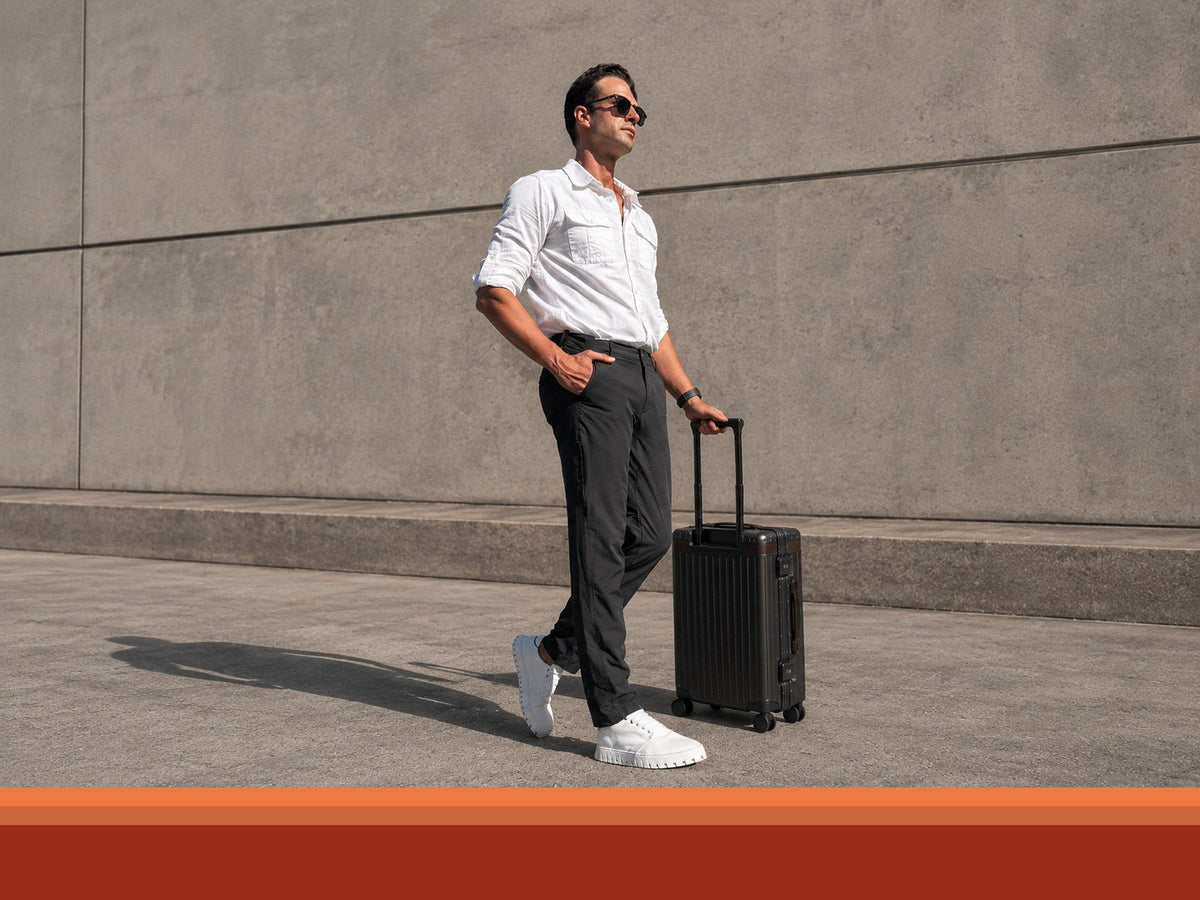
A working day puts the feet under load from morning to evening. A commute, walks between meetings and hours of standing all happen in the same pair, and a shoe that misses your width or length carries that miss into every step, which is why all-day comfort starts with fit.
The cost also builds over years. Dr. Menz links regular walking to cardiovascular health, balance and mobility, mental health and weight management, so shoes that discourage walking take some of that benefit with them.
How can you tell if your shoes fit?
A shoe fits when it matches the length and width of your foot and holds your heel in place as you walk. These 5 checks take a few minutes:
- Stand and check that the widest part of your foot sits at the widest part of the shoe, with no pressure along the sides.
- Walk and check that your heel stays seated with no lift.
- Check the shoe again at the end of a long day on your feet.
- Measure both feet, because the 2 can differ.
- Notice where corns or calluses form, since the 2018 review links them to incorrect fit.
If foot pain lasts, see a podiatrist.
How does a custom-fit shoe start from your measurements?
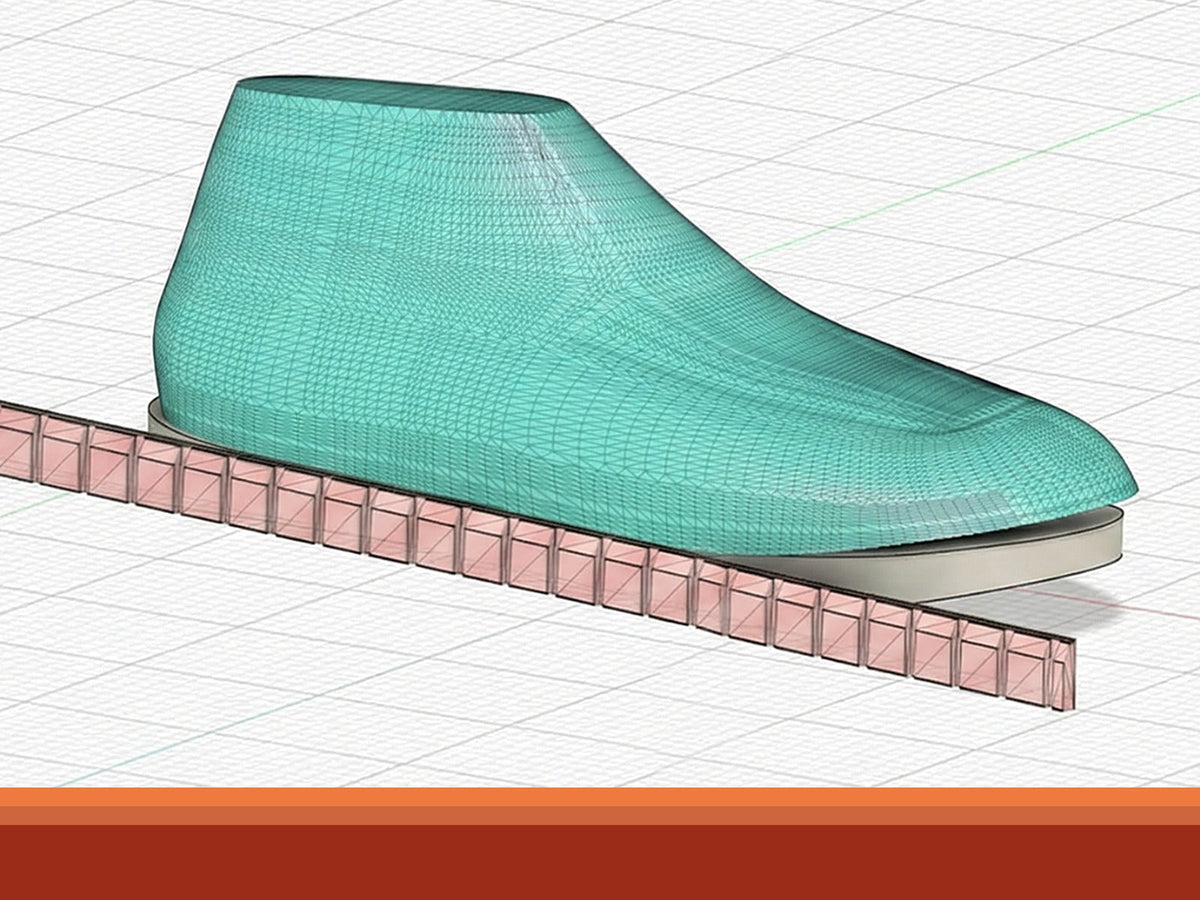
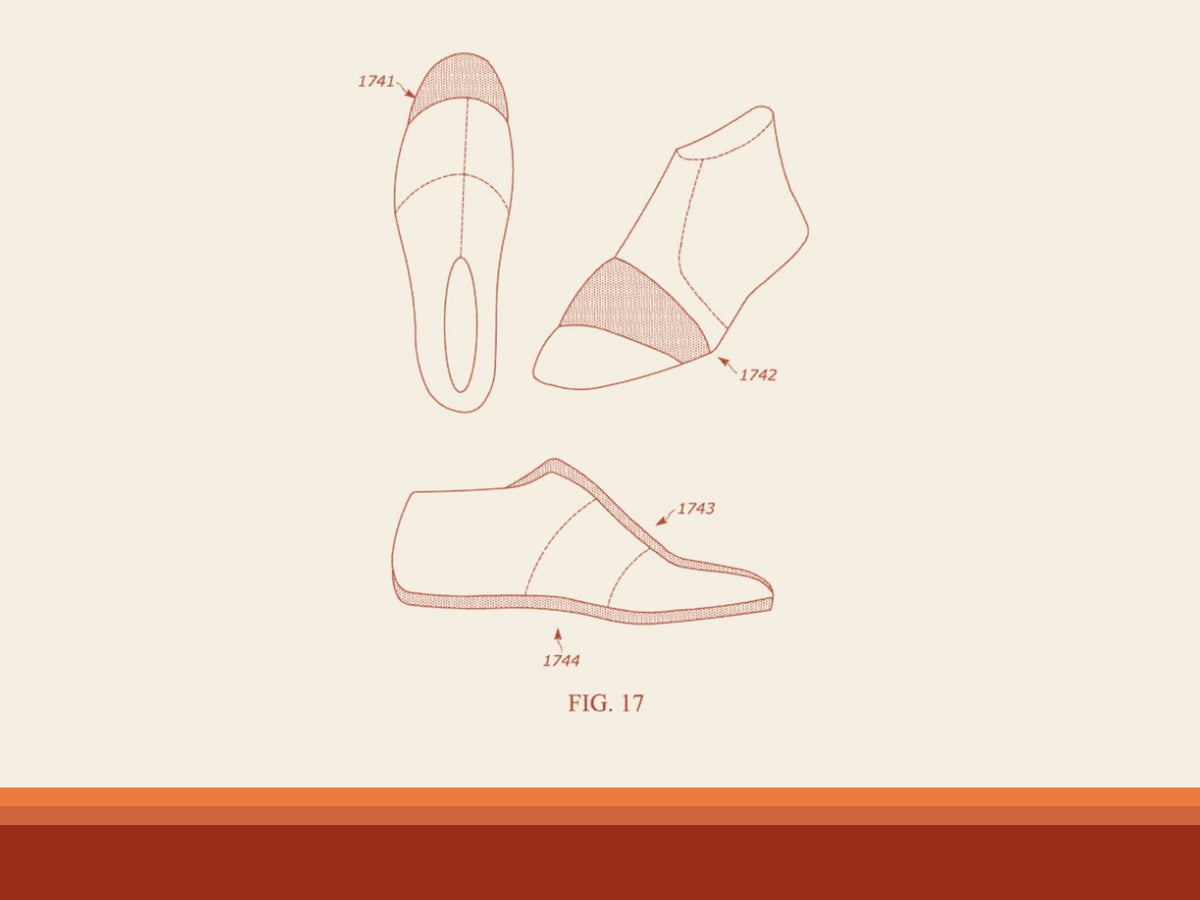
A shoe built from your measurements starts from your own length and width. A standard size starts from a last shaped for a range of feet, and each size steps up in fixed increments. The MODEL T follows 3 steps. The system behind them is on the technology page.
- Order the MODEL T. Begin on the MODEL T page.
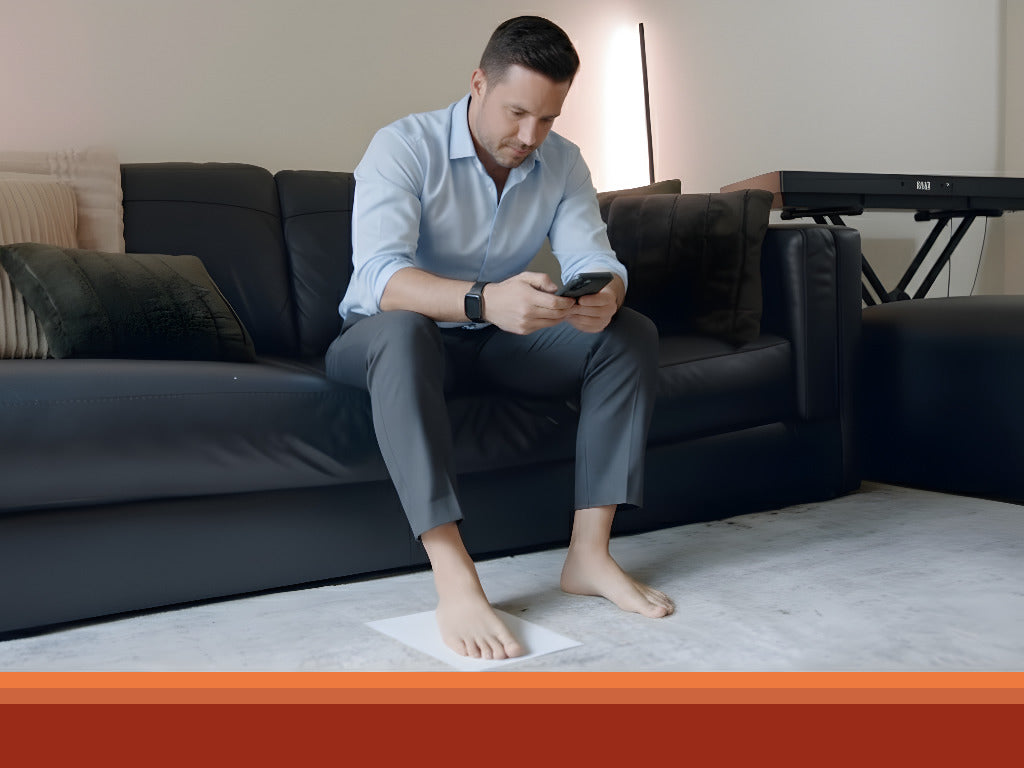
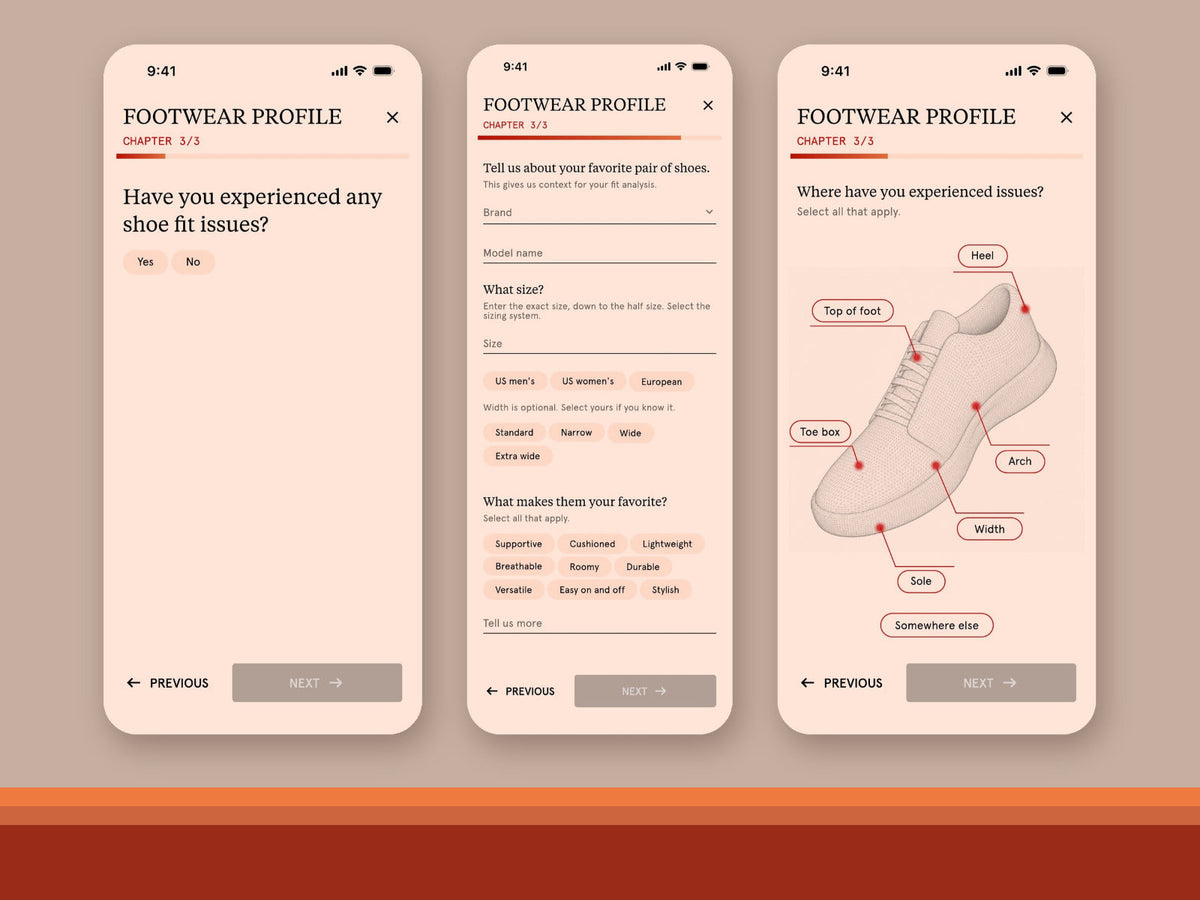
- Complete a Virtual Consultation. After checkout, take 3 photos of each foot on printer paper in the IAMBIC app with advanced smartphone 3D scanning, and answer a short questionnaire on your comfort preferences. Together they capture 20 biometric variables, and the last for your pair is built from them.
- We craft and ship. Each precision-fit pair is designed in New York City, handcrafted in Portugal from Italian full-grain leather and delivered in about 4 weeks. For future pairs, IAMBIC adjusts the fit through Sole Print™ wear analysis and your comfort check-ins.
The MODEL T was named a TIME Best Invention in 2023, and the fit research behind it is backed by the National Science Foundation. IAMBIC is not a medical device and does not diagnose or treat any condition.
See what a last built from your own measurements feels like
The MODEL T shoe is HSA/FSA eligible and covered by the Signature Fit Guarantee.
FAQs
How do you check shoe width at home?
Stand on a sheet of paper and trace around your foot, then set the shoe’s insole on the tracing. If the tracing shows past the edges of the insole, the shoe is too narrow for that foot.
Can an insole fix a shoe that does not fit?
No. An insole changes the cushioning and arch support inside a shoe, and soft padding cannot correct a shoe that misses your width or length.
How long does a new pair take to feel right?
The MODEL T requires break-in. Its Italian full-grain leather molds to your foot as you warm up the shoes over the first weeks of wear, so start with shorter days and build to longer ones.
What if the fit is not right?
Every MODEL T is covered by the Signature Fit Guarantee, with refits until the fit is right. Questions about fit go to a trained biomechanical engineer on the IAMBIC team.
Helpful links
Sources
- Dr. Hylton Menz of IAMBIC on how making walking a daily habit can improve every aspect of your life. Authority Magazine. 2025.
- Buldt AK, Menz HB. Incorrectly fitted footwear, foot pain and foot disorders: A systematic search and narrative review of the literature. Journal of Foot and Ankle Research. 2018;11:43.