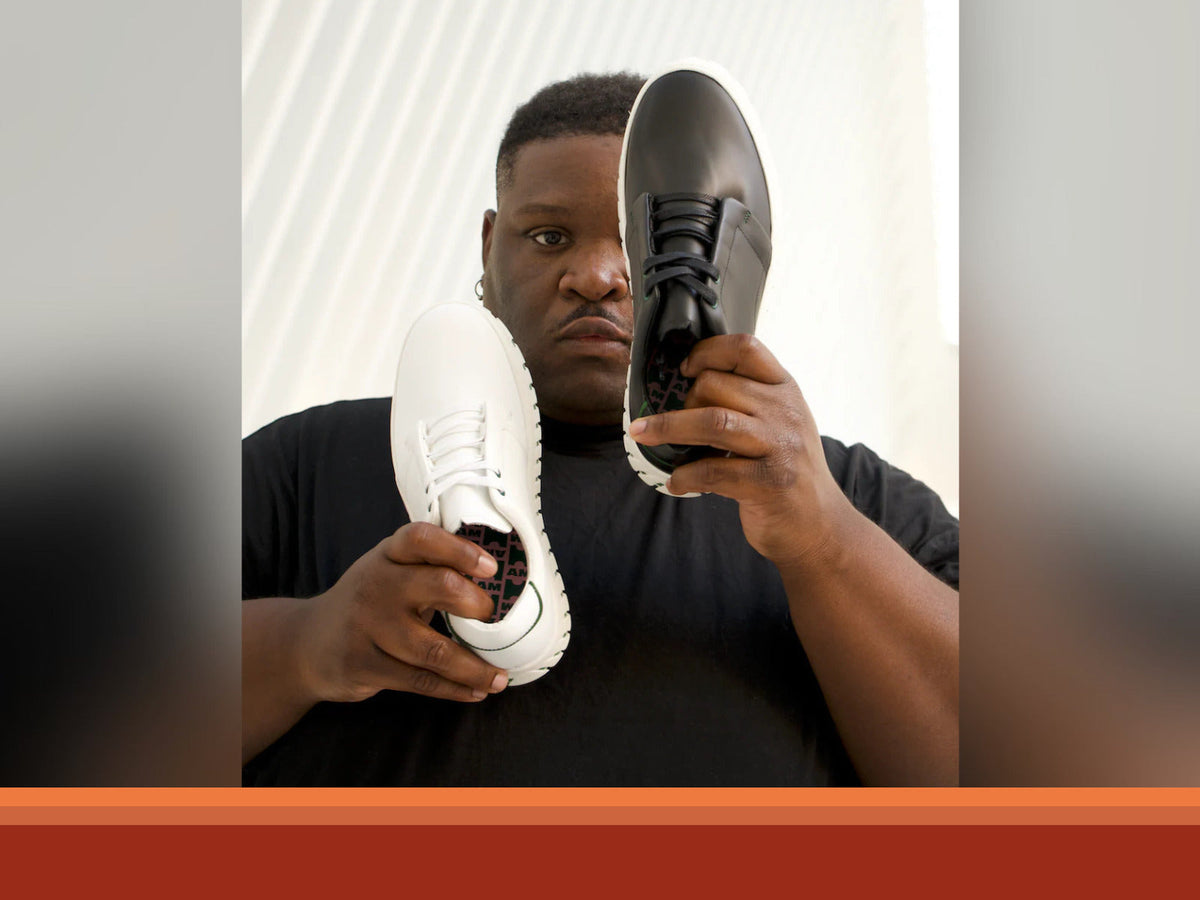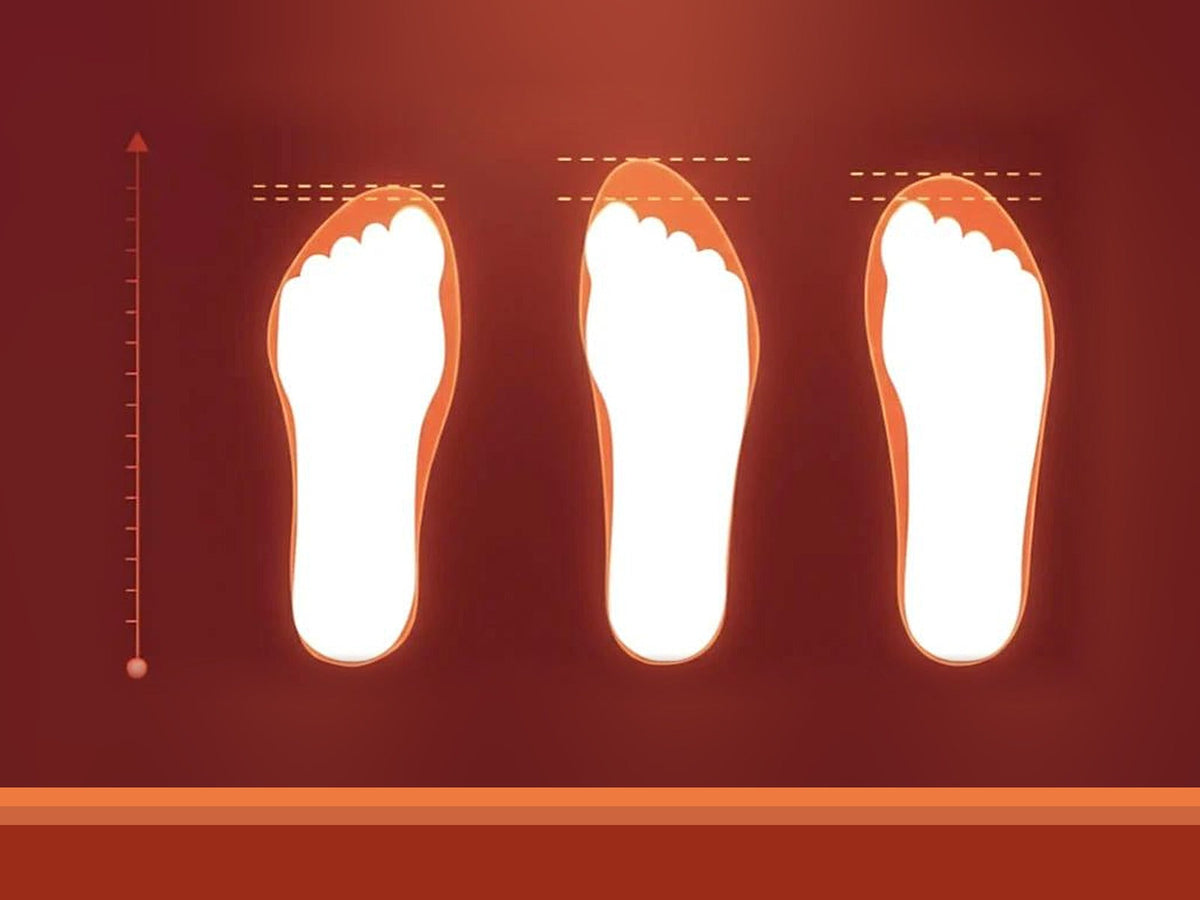
An E or EEE width adds room across the ball of the foot, and the shoe is still built on a last shaped for an average foot of that size. If your instep, arch or heel differs from that last, a wider letter moves the pressure to another spot. Allen Edmonds offers widths from AAAA to EEE, and each letter still describes a single measurement. Wide feet that also need a narrow heel or a higher instep need a last built from more measurements. IAMBIC® builds the MODEL T on a last made from your own measurements, so there is no width to pick.
What does an E width change?
On a dress shoe, an E width changes how much room the shoe gives across the ball of the foot. Allen Edmonds counts E, EE and EEE as its wide widths and suggests one to anyone who keeps sizing up for room across the ball.
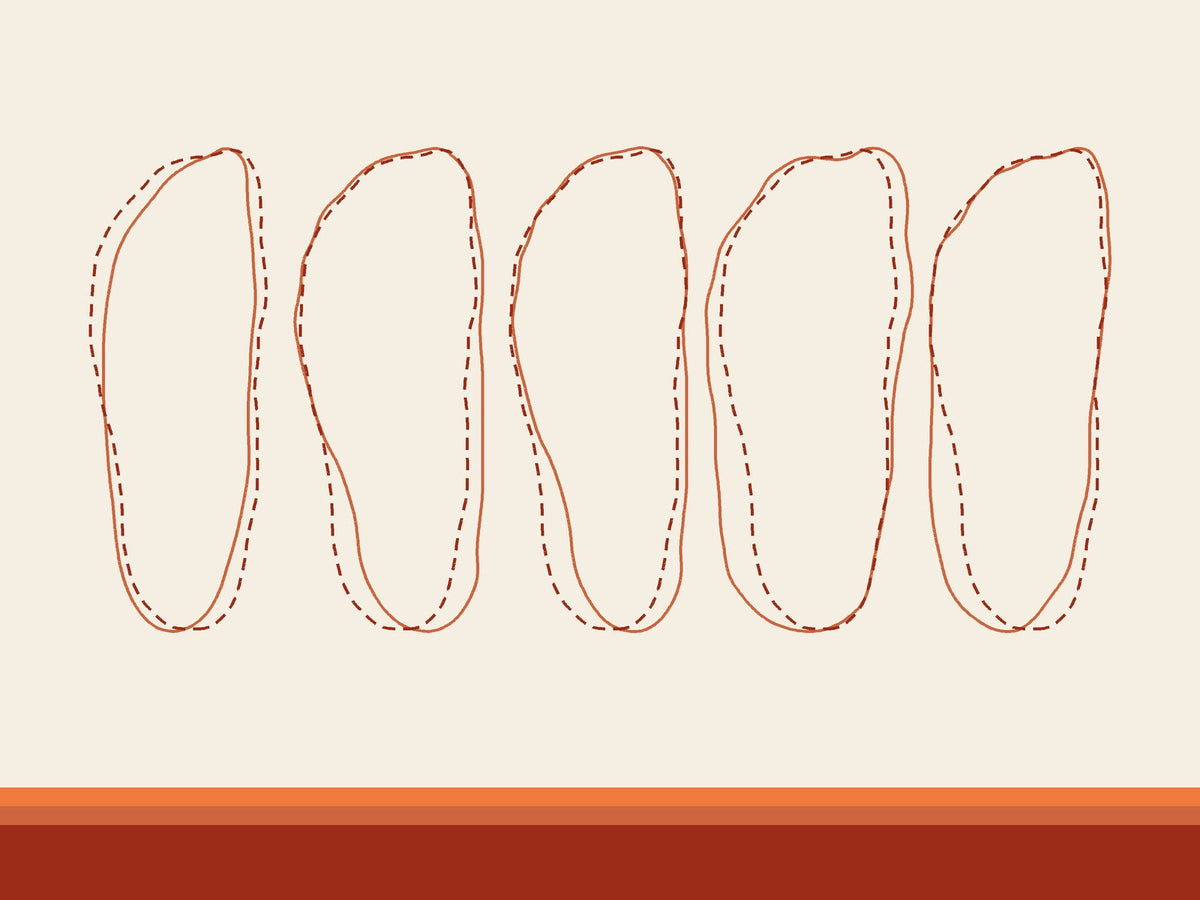
Mass production grades one base last up and down a size run, mostly in steps of length and width, so the rest of the shape stays the same for everyone who buys that size. Lasts are expensive to make, so brands keep a limited number of them.
Dr. Hylton Menz, a podiatrist, professor at La Trobe University and IAMBIC’s Scientific Advisor, explains what that leaves out: “You will find that some people do not actually fit the shape of that last.”
A width letter changes one of the measurements a fit depends on. The rest come from the base last.
| Measurement | E-width shoe | Precision-fit last |
|---|---|---|
| Length | Set by the size number | Built from your measurements |
| Room across the ball | Set by the width letter | Built from your measurements |
| Instep height | Follows the base last | Built from your measurements |
| Arch profile | Follows the base last | Built from your measurements |
| Heel width | Follows the base last | Built from your measurements |
Why do wide shoes still pinch or slip at the heel?
Wide shoes pinch or slip when your foot differs from the last in a place the width letter does not cover. Take a foot that is broad across the forefoot and narrow at the heel. The E width that clears the forefoot can leave extra room at the heel, and the heel lifts with each step.
A high instep can press against the top of a shoe that has room to spare across the ball. Two IAMBIC customers lived each version: a stylist with a wide forefoot and an investor whose heels used to lift in standard shoes.
Fit problems like these are common. A 2018 review of the research in the Journal of Foot and Ankle Research found that between 63 and 72 percent of the people studied wore shoes that did not fit the width or length of their feet, and associated poorly fitted shoes with foot pain, corns and calluses.
“Generally they are wearing shoes that are too short or too narrow for their feet,” says Dr. Menz, who co-authored the review.
The review predates his role as IAMBIC’s Scientific Advisor. IAMBIC is not a medical device and does not diagnose or treat any condition.
Do stretching, insoles or a bigger size fix it?
Stretching, insoles and a bigger size can ease one pressure point, and the shape of the last stays the same. Stretching softens a tight spot in the leather.
An insole adds support underfoot and also takes up room inside the shoe, so a shoe that is already snug across the instep gets snugger. Going up a size adds length you do not need and gives the heel more room to slip.
How is a precision-fit last different?
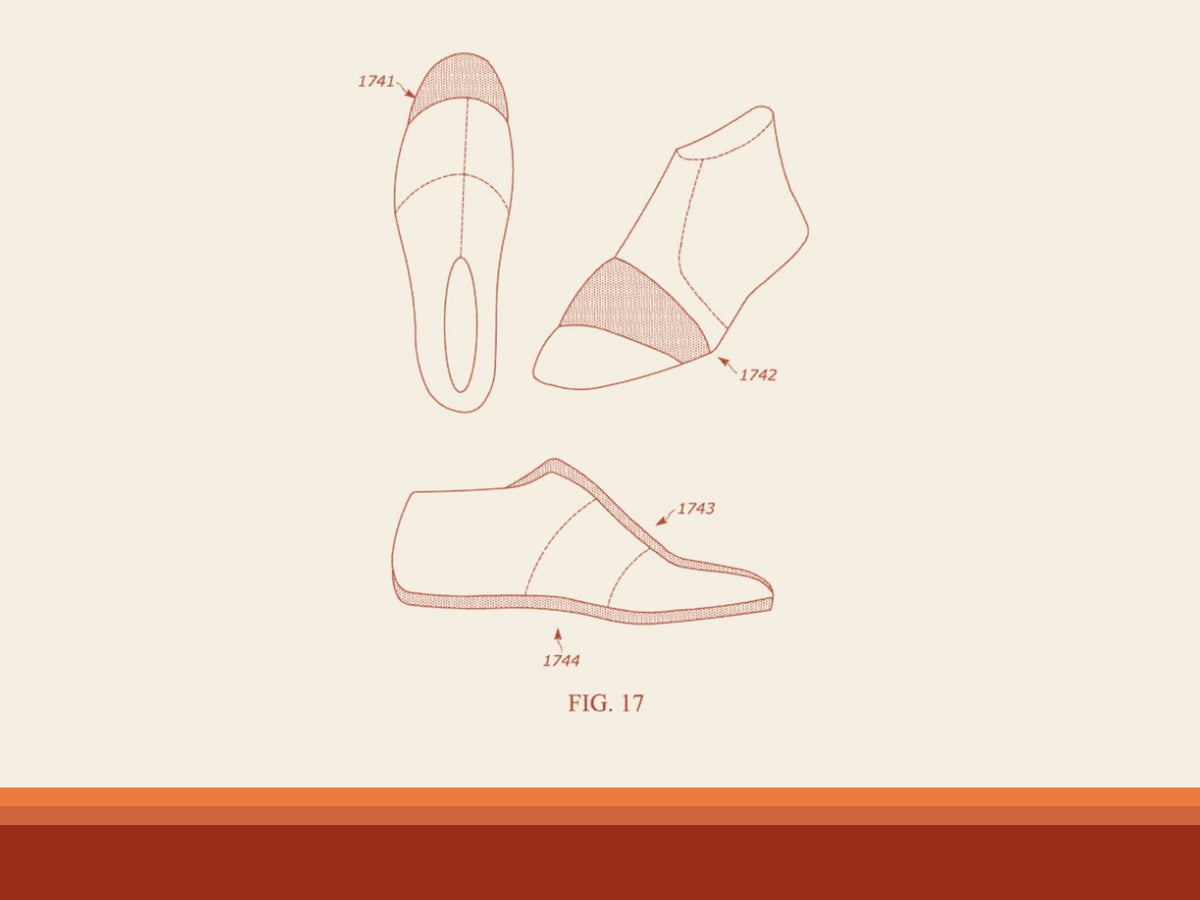
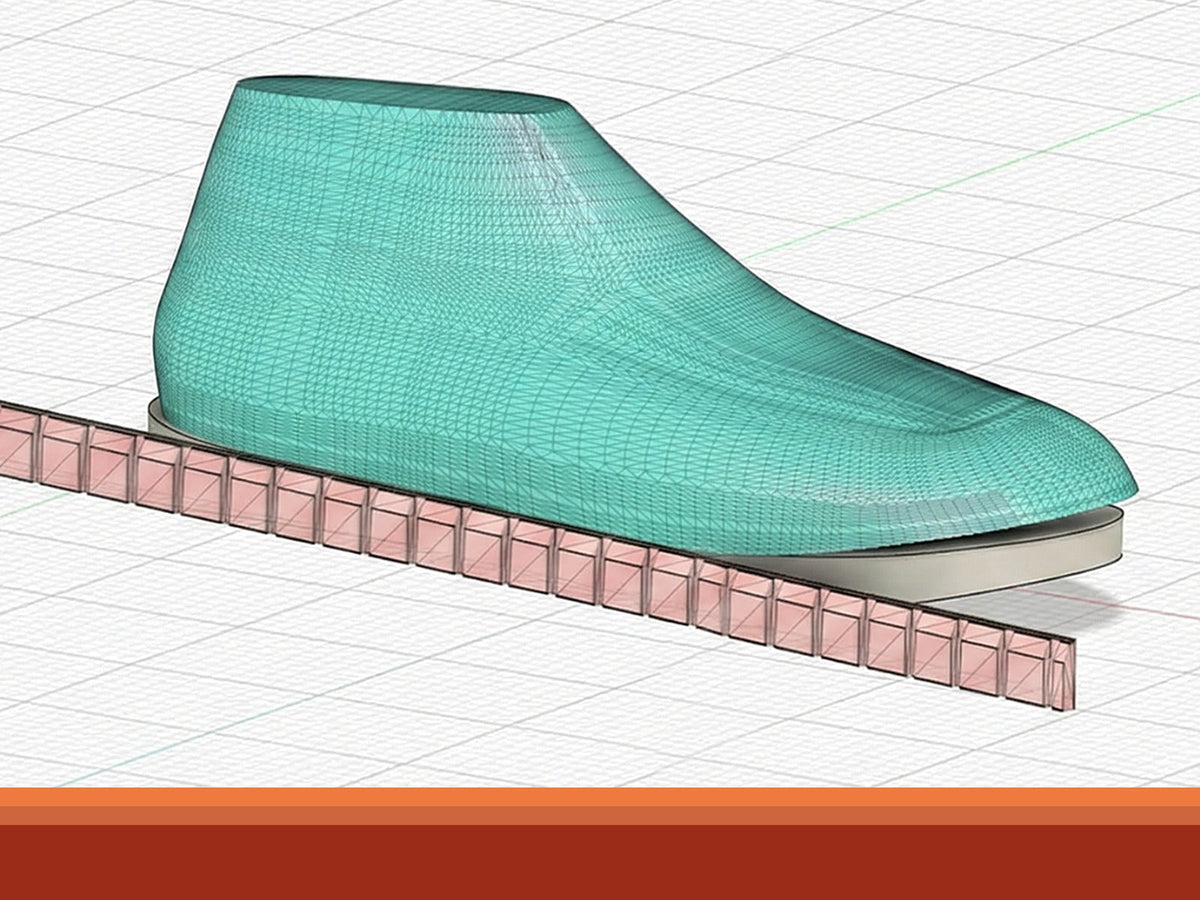
A precision-fit last is built from one person’s measurements, so forefoot width, instep and heel width all come from the same foot. In the IAMBIC app, you take 3 photos of each foot on printer paper with advanced smartphone 3D scanning, and NASA-grade computer vision reads them.

A short questionnaire covers your comfort preferences and how you spend your day. Together, the scan and the questionnaire capture 20 biometric variables, and the last for your MODEL T is built from them, fit down to the millimeter.
A foot that is wide at the forefoot and narrow at the heel gets a last with both. Each pair is handcrafted in Portugal from Italian full-grain leather and delivered in about 4 weeks. The step-by-step process is in Fit Process 101, and the measurement system is on the technology page.
What are the signs your shoes do not match your foot shape?
The clearest sign of a shape mismatch is a trade-off that a different width does not solve. Watch for these:
- Pressure in the same spot after moving up a width
- A heel that lifts once the forefoot finally feels right
- Red marks across the top of the foot at the end of the day
- Shoes that come off under the desk by mid-afternoon
Each one points to a part of your foot that a width letter does not describe.
Get a last built for your foot
The MODEL T shoe is HSA/FSA eligible and covered by the Signature Fit Guarantee.
FAQs
What if Allen Edmonds E width is still too narrow?
Width is only one part of fit. An E width adds room across the ball of the foot and keeps the shape of the base last, so a high instep or a different arch can still press. A last built from your own measurements accounts for your instep, arch and heel as well as your width.
Why do wide width shoes still cause pressure points?
Wide widths are graded from a standard last, and feet differ in more places than width. A foot can be wide at the forefoot and narrow at the heel, or need room at the instep without extra width. A wider letter moves the pressure, and the shape of the shoe stays the same.
What is the difference between E, EE and EEE widths?
Each is a step up in room across the ball of the foot. Allen Edmonds counts all 3 as wide widths, with EEE the widest it makes. None of the letters measure your instep, arch or heel. Those come from the base last the shoe is built on.
Can I get professional shoes for a wide forefoot and a narrow heel?
Yes, when the last is built from your own measurements. The MODEL T last comes from 20 biometric variables captured through advanced smartphone 3D scanning and a short questionnaire, so forefoot width and heel width are set separately, fit down to the millimeter. Each pair is handcrafted in Portugal and delivered in about 4 weeks.
What if the fit is not right?
Every MODEL T is covered by the Signature Fit Guarantee, with refits until the fit is right. Questions about fit go to a trained biomechanical engineer on the IAMBIC team. The Italian full-grain leather also molds further to your foot over the first weeks of wear, because it is dense and built to last for years.
Helpful links
Sources
- Buldt AK, Menz HB. Incorrectly fitted footwear, foot pain and foot disorders: a systematic search and narrative review of the literature. Journal of Foot and Ankle Research. 2018;11:43.
- Allen Edmonds. Shoe size guide. Accessed November 9, 2026.
- Allen Edmonds. Men’s wide width shoes. Accessed November 9, 2026.
- Dr. Hylton Menz, interview with IAMBIC, November 7, 2024.